Sapa Paragliding · Adventure
Weather Characteristics in Sa Pa and Their Impact on Paragliding Conditions
Do you know that weather conditions in Sa Pa greatly affect every paragliding? Mountain winds, cloud seas, fog, and rapidly changing weather are key factors that determine both flight safety and the overall experience

Sa Pa has one of the most unique weather systems in Vietnam due to its elevation of approximately 1,500–1,800 meters in the Hoàng Liên Sơn mountain range. The combination of high mountains, deep valleys, and large temperature differences between day and night creates rapidly changing weather, high humidity, dense cloud formation, and the famous cloud seas often seen in the region. These conditions make Sa Pa an attractive destination for paragliding, while also requiring careful weather assessment and experienced pilots. Unlike lowland areas, weather in Sa Pa can change very quickly within a short period of time. A clear and calm morning may rapidly turn into thick fog or afternoon thunderstorms. For paragliding activities, these changes directly affect takeoff conditions, flight stability, wing control, and landing safety.
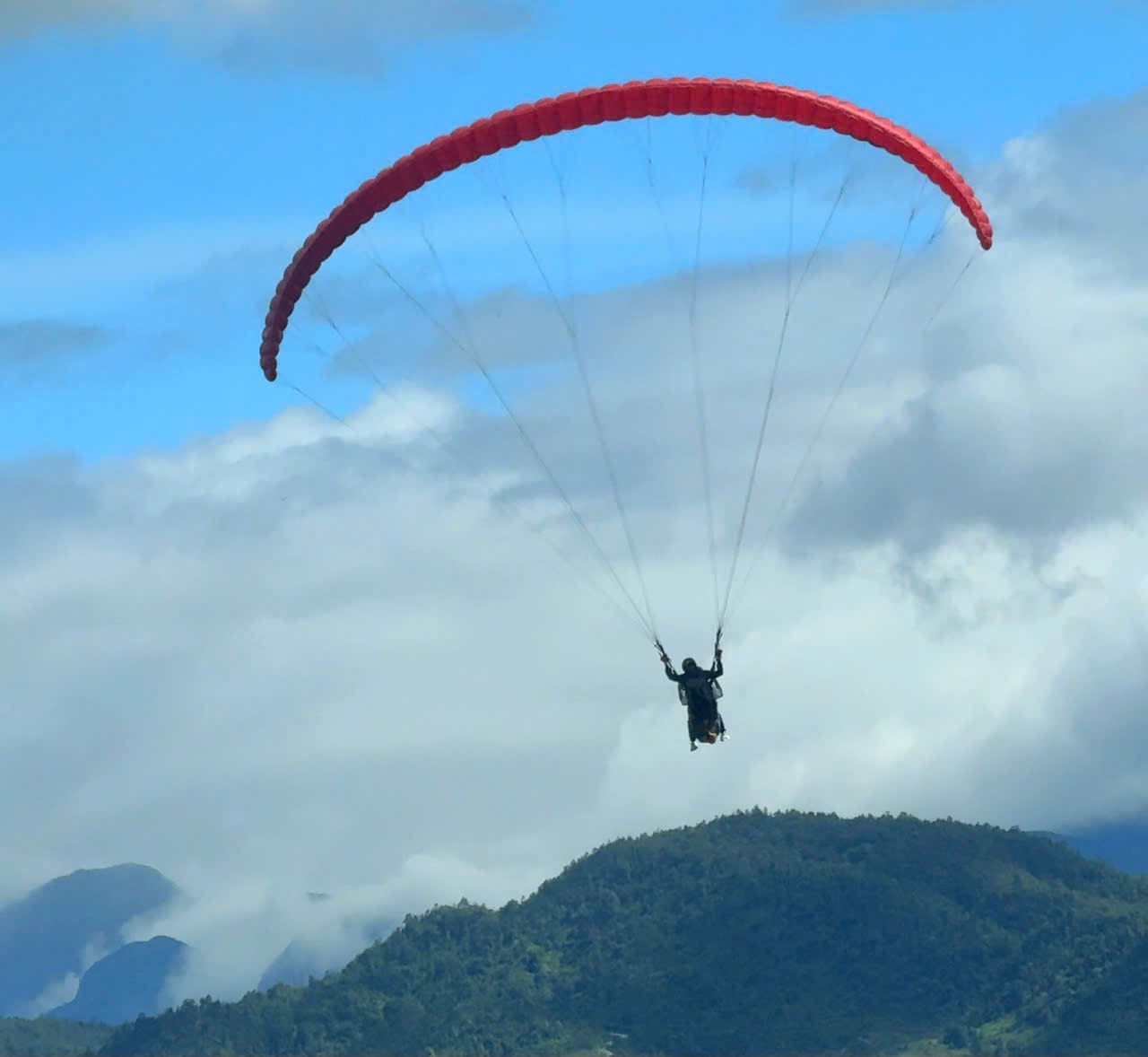
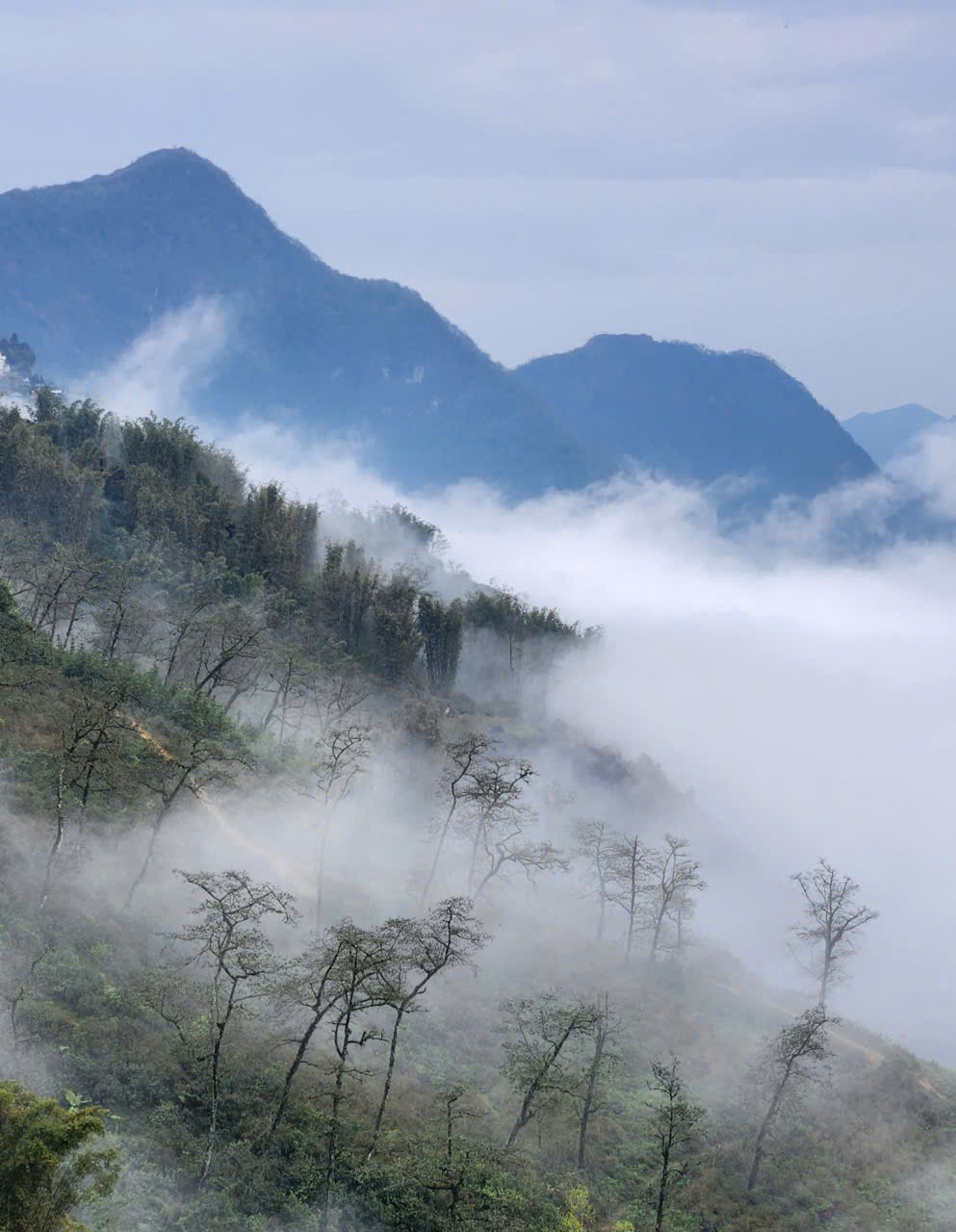
🌸 Spring weather and sea-of-cloud conditions
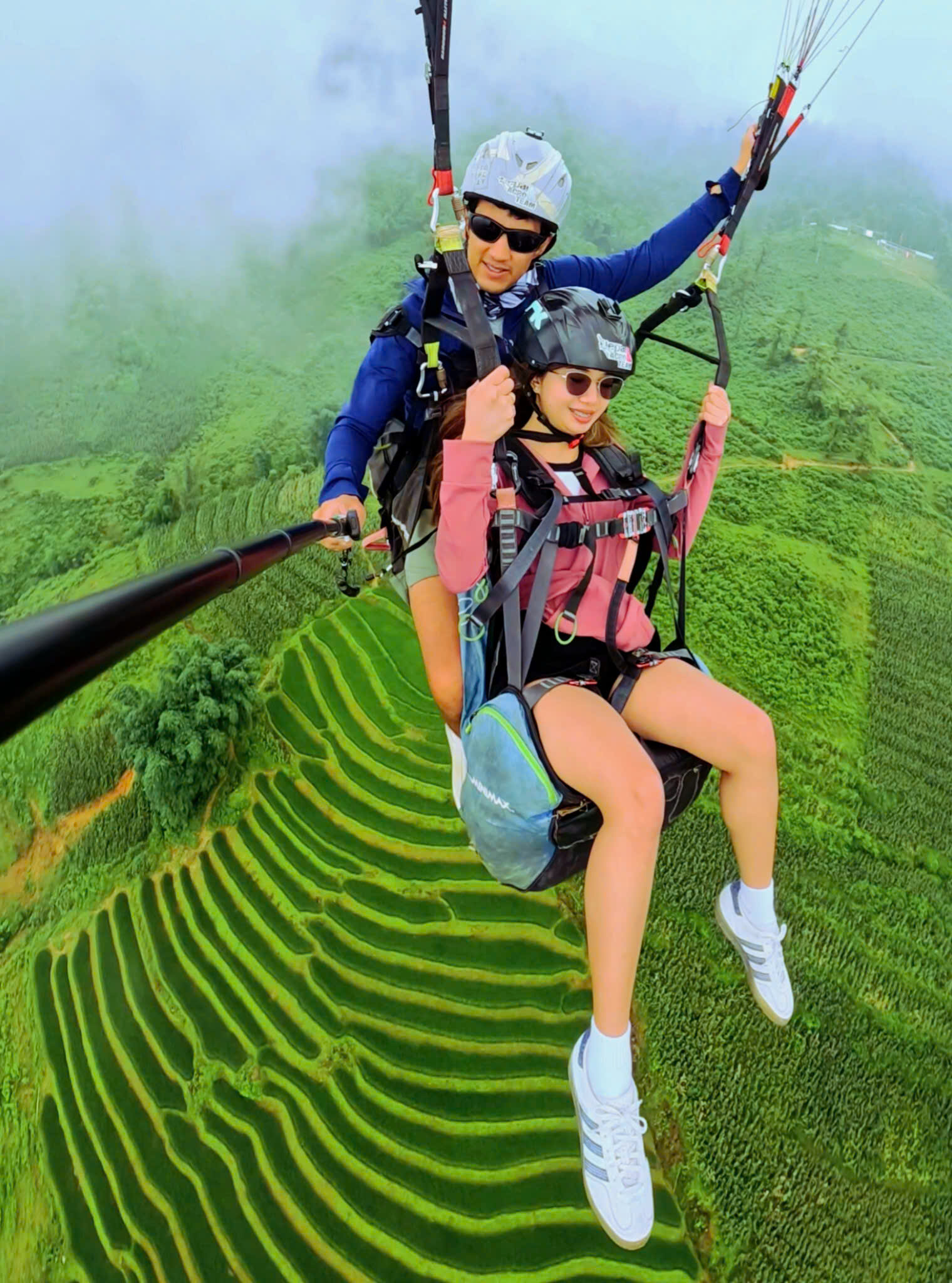
During spring, from February to April, temperatures gradually become warmer while humidity remains very high. Drizzle, low clouds, and early morning fog are common during this season. Many mountain areas can be completely covered by clouds, significantly reducing visibility. However, spring is also one of the best seasons for cloud seas. After cold nights, moisture accumulates in the valleys and forms thick white cloud layers beneath the mountains, creating one of Sa Pa’s most iconic landscapes. For paragliding activities, spring generally offers relatively stable flying conditions if the fog clears early. Winds during this season are usually not too strong, making takeoff smoother and gentler. However, high humidity and fog can reduce visibility, which may limit the flexibility of flight schedules.
☀️ Summer: strong thermals and longer flights
Summer, from May to August, is considered the most complex weather season in Sa Pa. This is the main rainy season, characterized by showers, thermal thunderstorms, and strong convective cloud development. Mornings are often clear and beautiful, but by midday or early afternoon, thunderstorm clouds can rapidly form along the mountain slopes. One of the most distinctive features of summer is strong thermals. As the ground heats up, rising warm air creates powerful lift for paragliding. This allows pilots to gain more altitude and maintain longer flight durations. Passengers may also experience flights lasting from 30 minutes up to 1 hour. However, thermals in mountainous areas are often strong and unstable, which can cause turbulence during flight. Therefore, pilots are required to have advanced technical skills and professional training, including SIV and Acro courses, in order to handle situations safely and flexibly while flying. Thunderstorms may develop later in the day and bring heavy rain, so on some days flying conditions are only suitable before 3:00 PM.
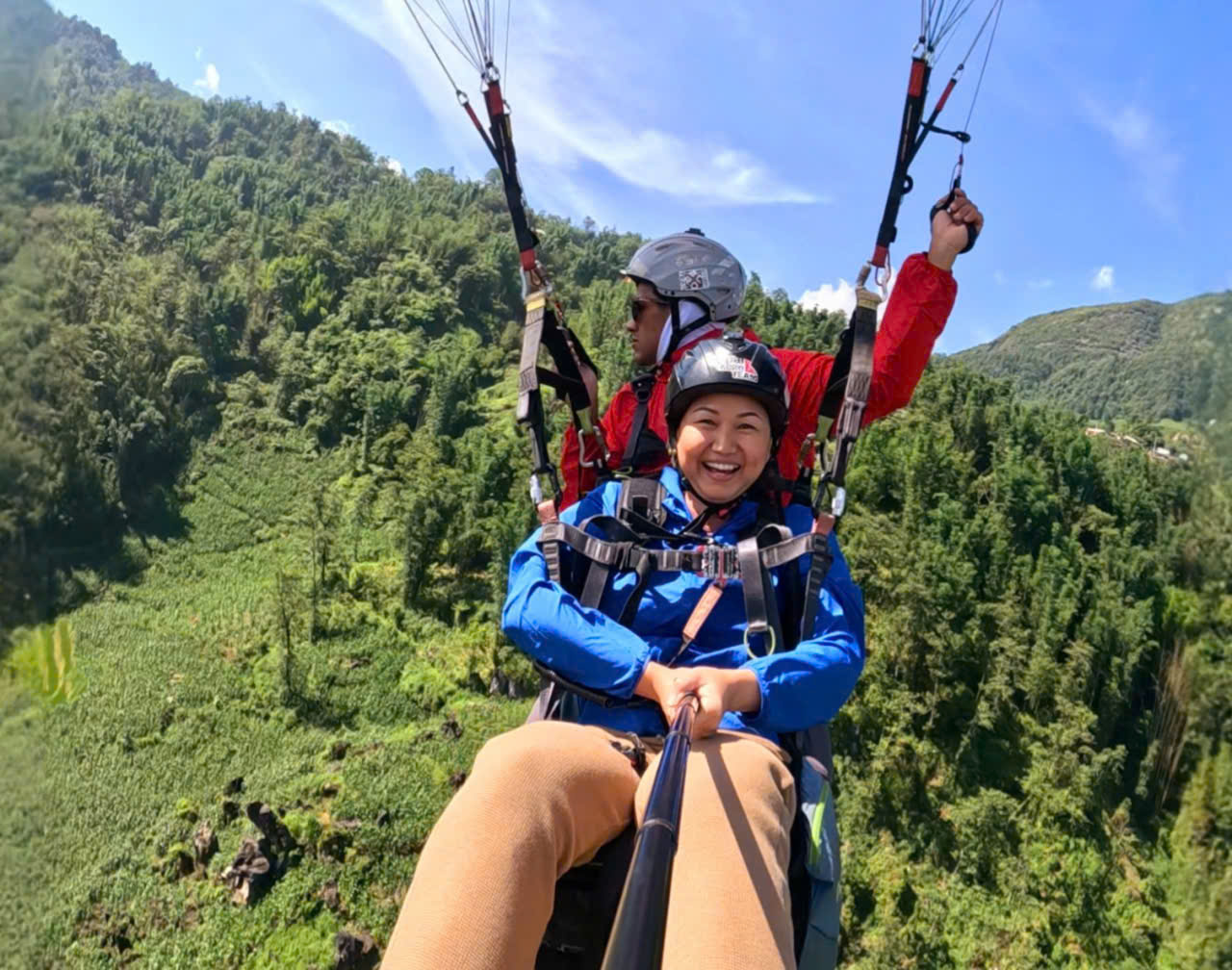
In addition to strong thermals, summer also brings rotor and turbulence caused by wind flowing over high mountain ranges. These turbulent areas are particularly dangerous for paragliding because they can suddenly change wind direction or temporarily destabilize the wing. Therefore, pilots must carefully assess weather and flying conditions before takeoff to ensure a safe and successful flight.
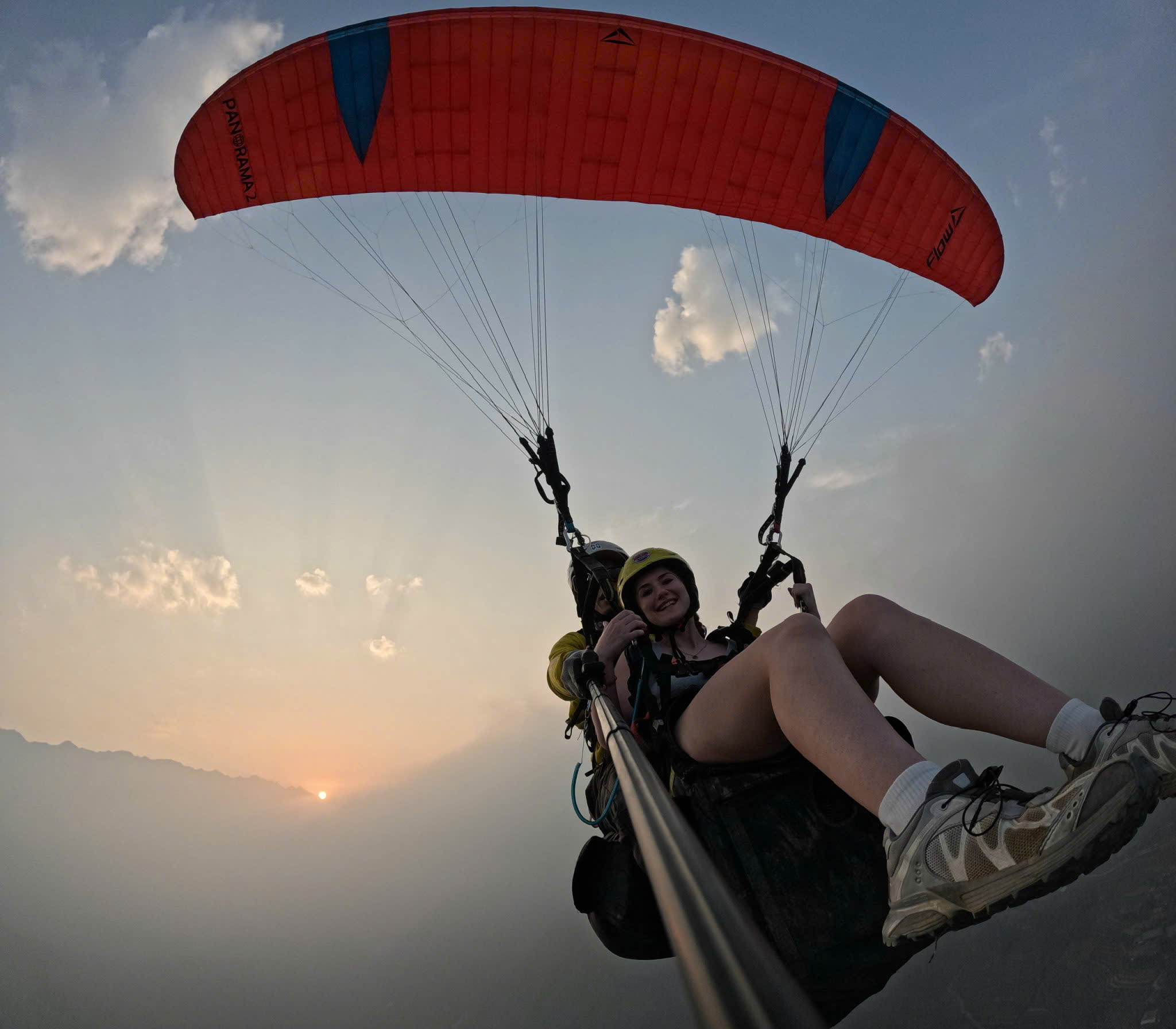
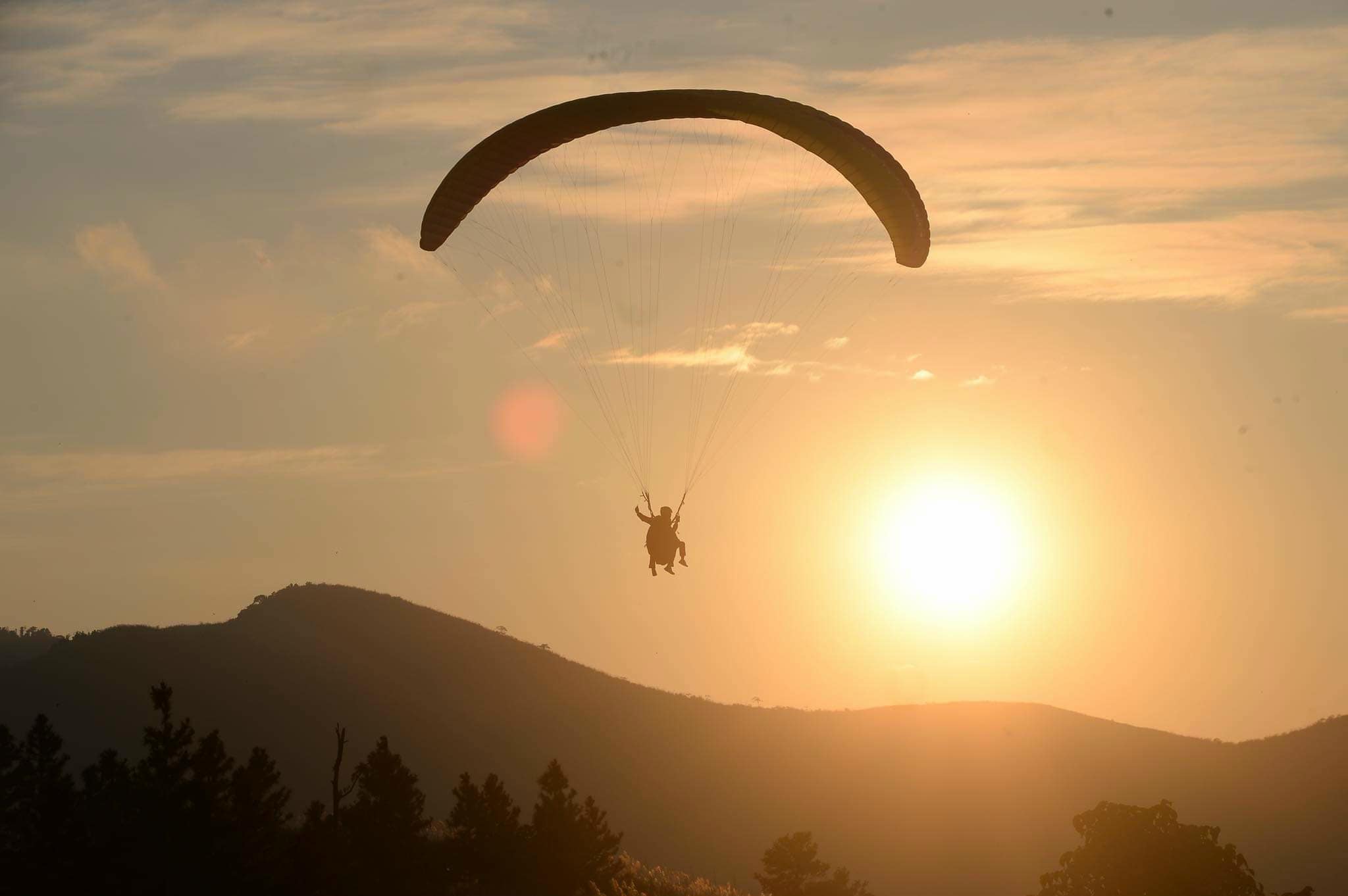
🍂 Autumn – one of the best seasons for paragliding
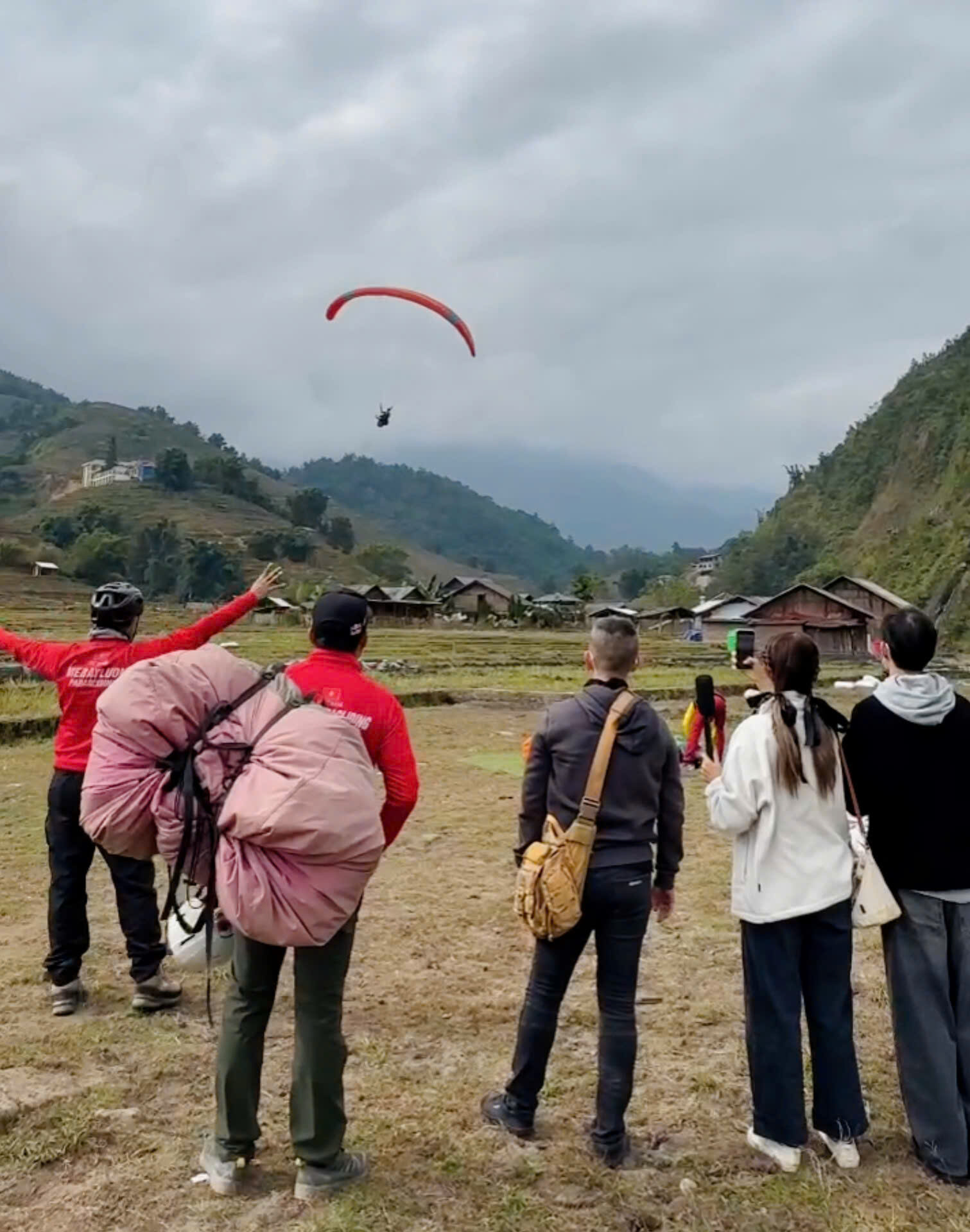
Autumn, from October to December, is widely considered one of the best seasons for paragliding in Sa Pa. It follows September's golden rice season, once the rice has been harvested in early October. After the rainy season, sunshine is plentiful, the air becomes drier, rainfall decreases significantly, skies are clear and blue, and visibility improves greatly. This is generally the most stable weather period of the year, with smoother winds and less turbulence.
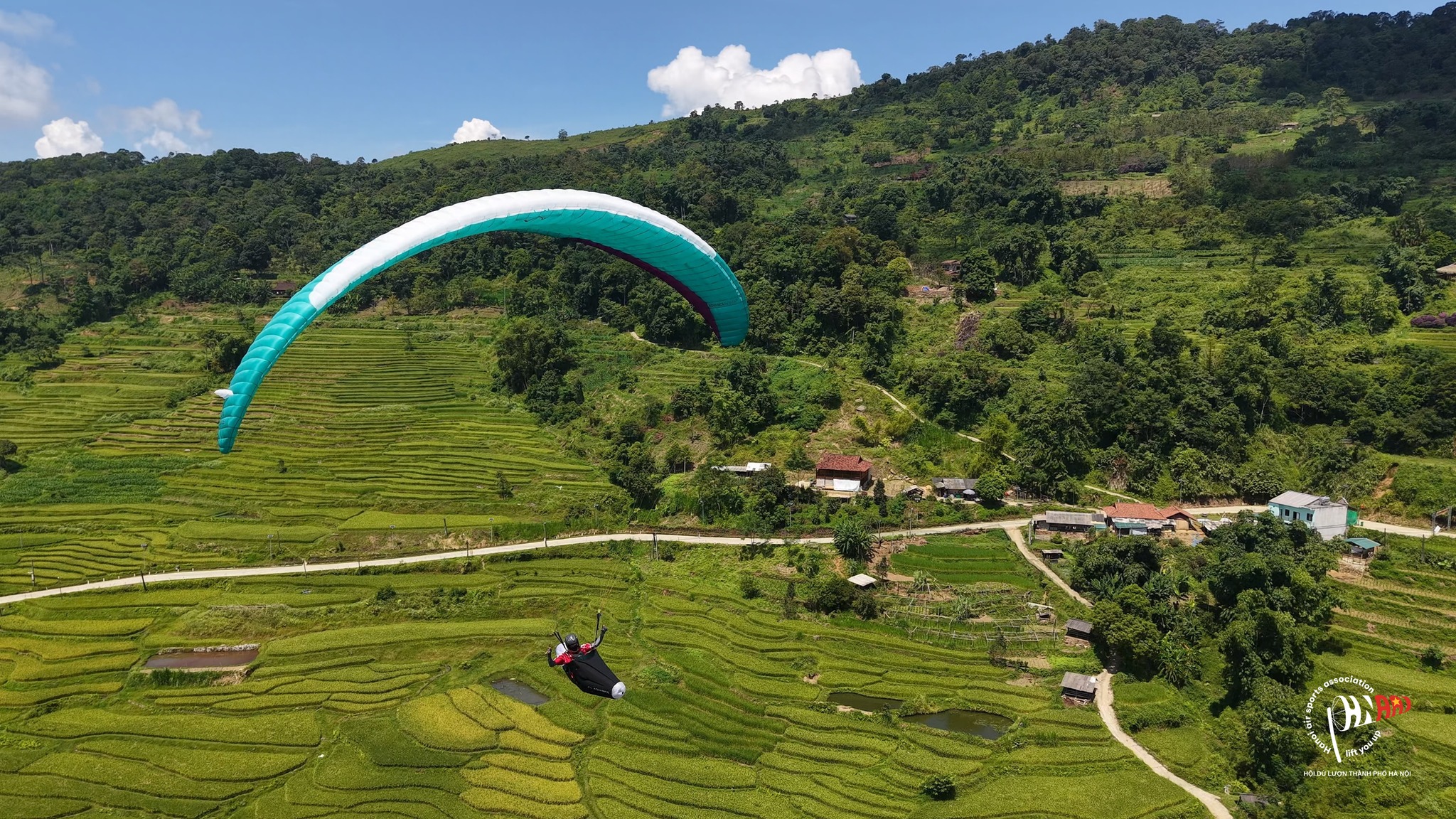
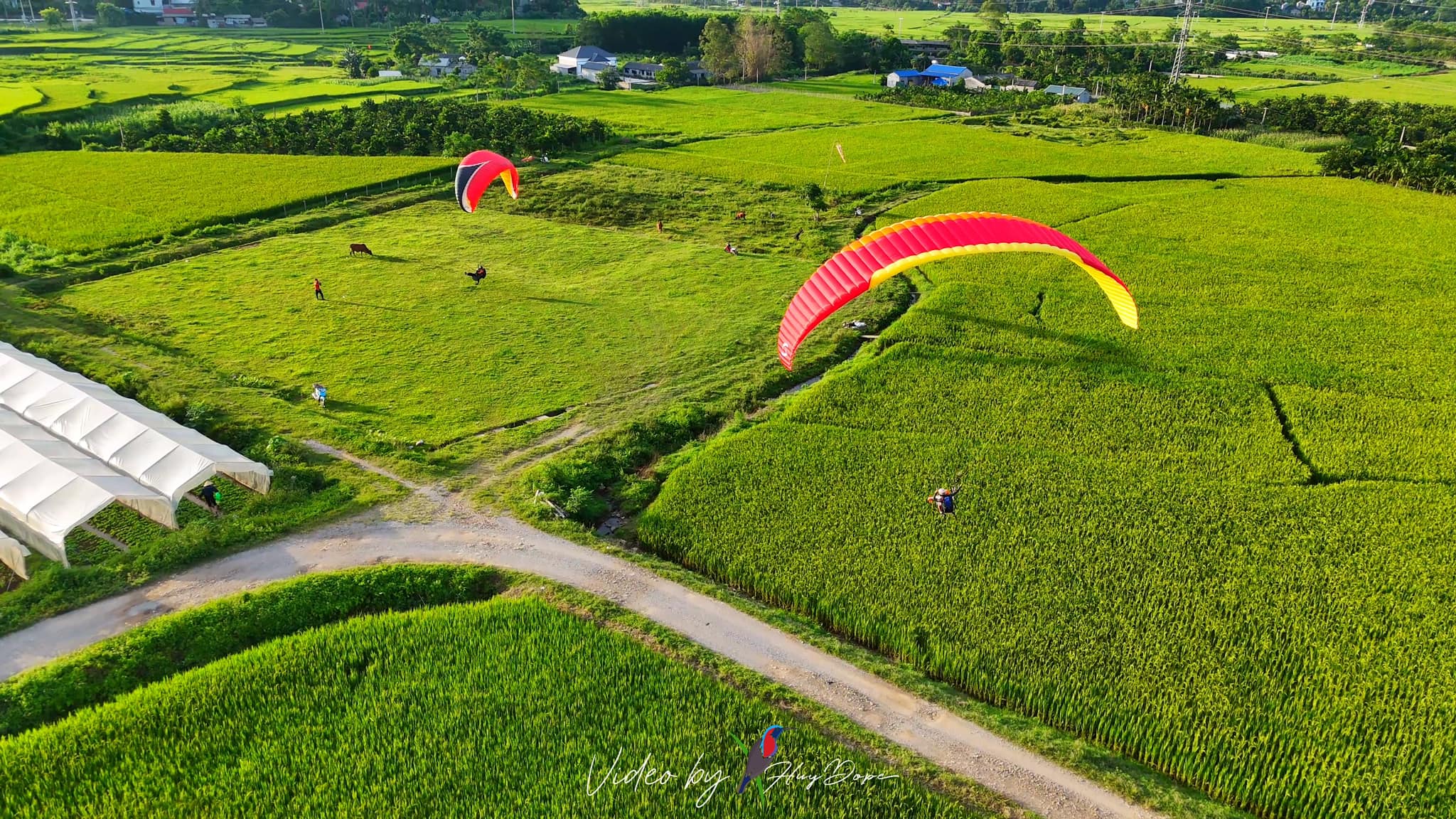
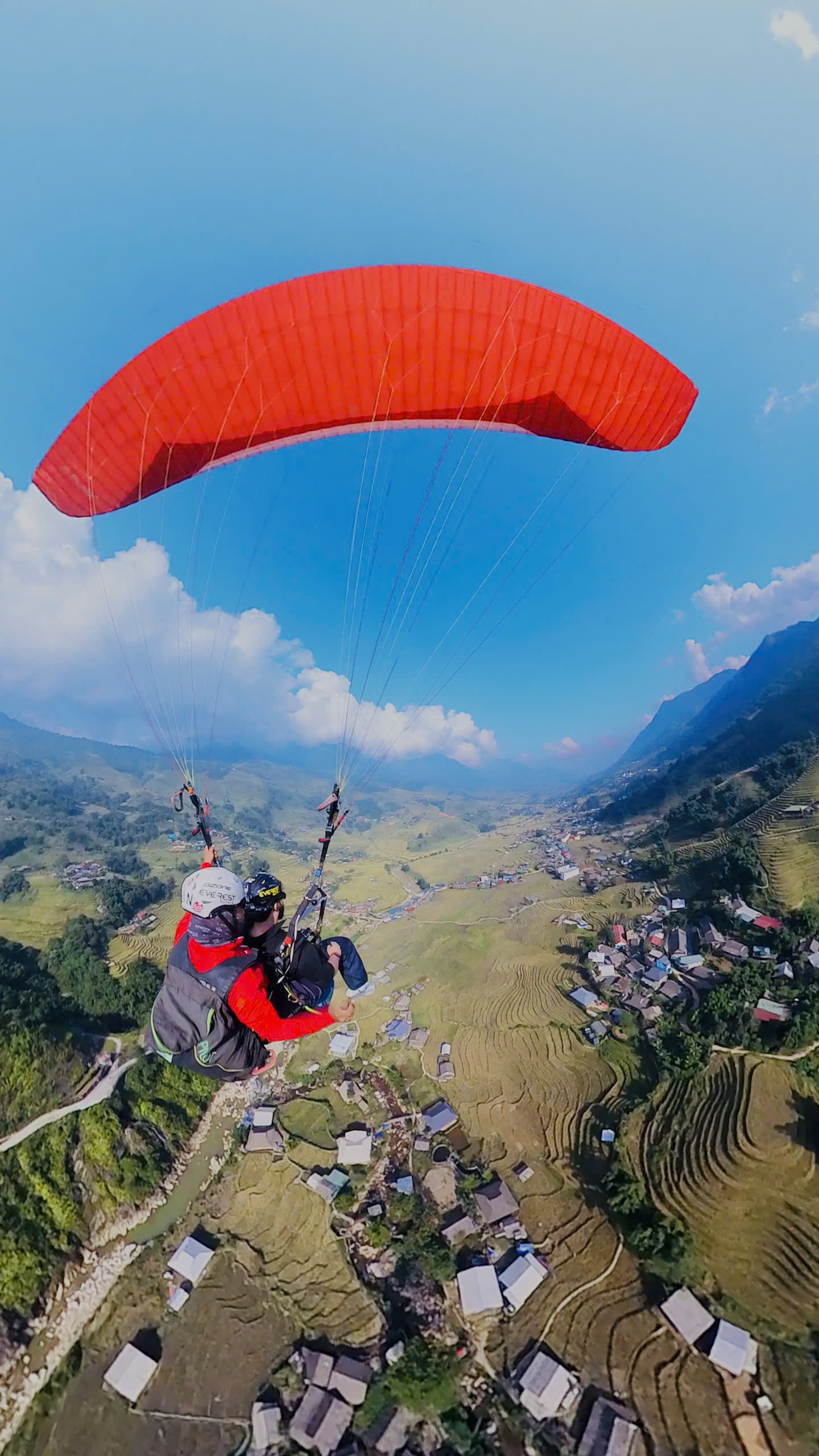
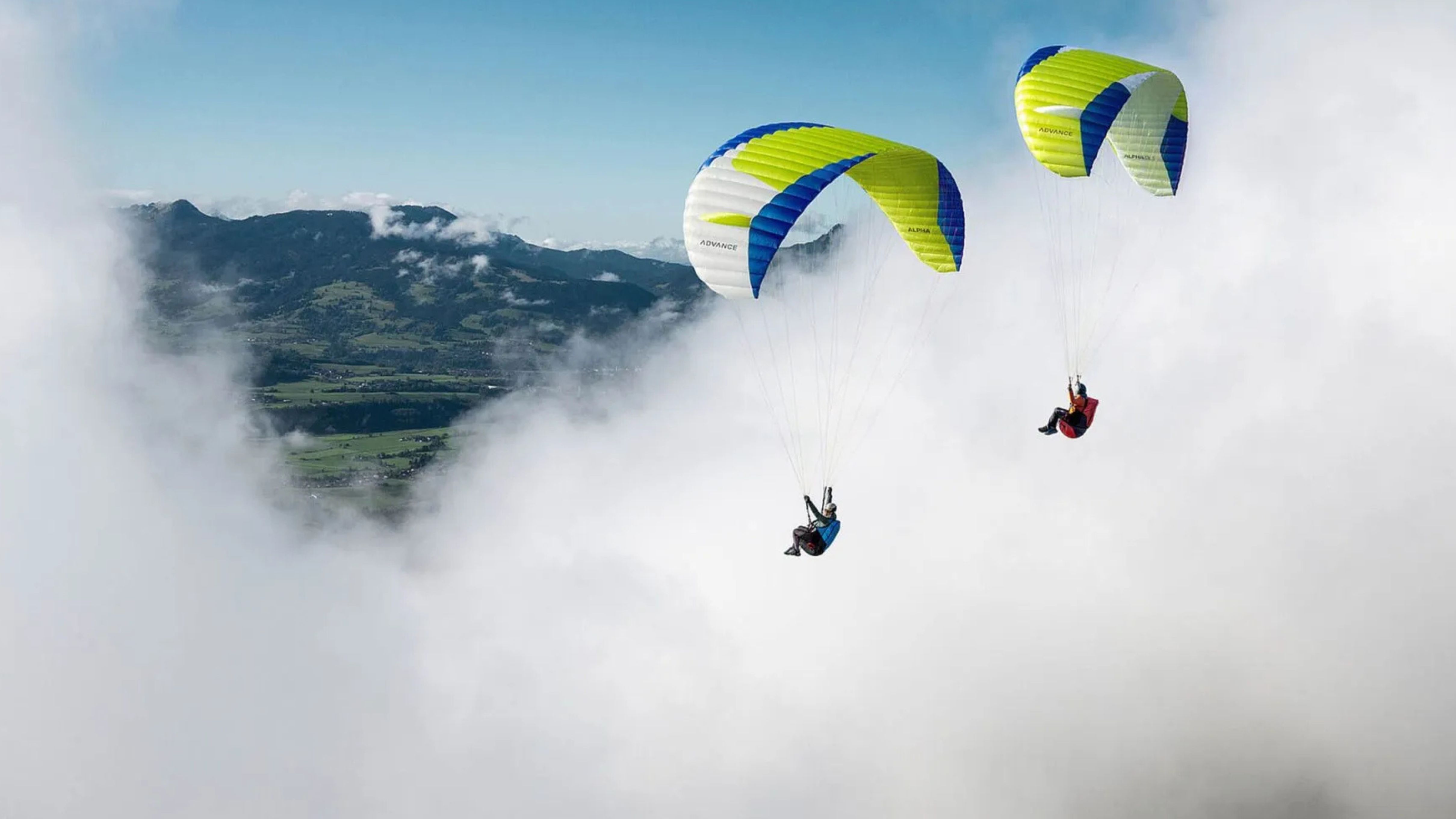
Autumn also offers some of the most beautiful cloud sea conditions, especially during early mornings after clear and cold nights. From above, pilots can see thick layers of clouds covering Mường Hoa Valley and stretching along the Hoàng Liên Sơn range. The stable weather and spectacular scenery make autumn ideal for sightseeing and tandem paragliding flights.
❄️ Winter: the cloud-hunting season, fog and strong cold winds
During winter, from December to March, Sa Pa enters its coldest season — also its cloud-hunting season. Low clouds, dense fog, and strong northeast monsoon winds become very common. On many days, visibility drops dramatically as clouds cling to the mountainsides and fog persists throughout the day.
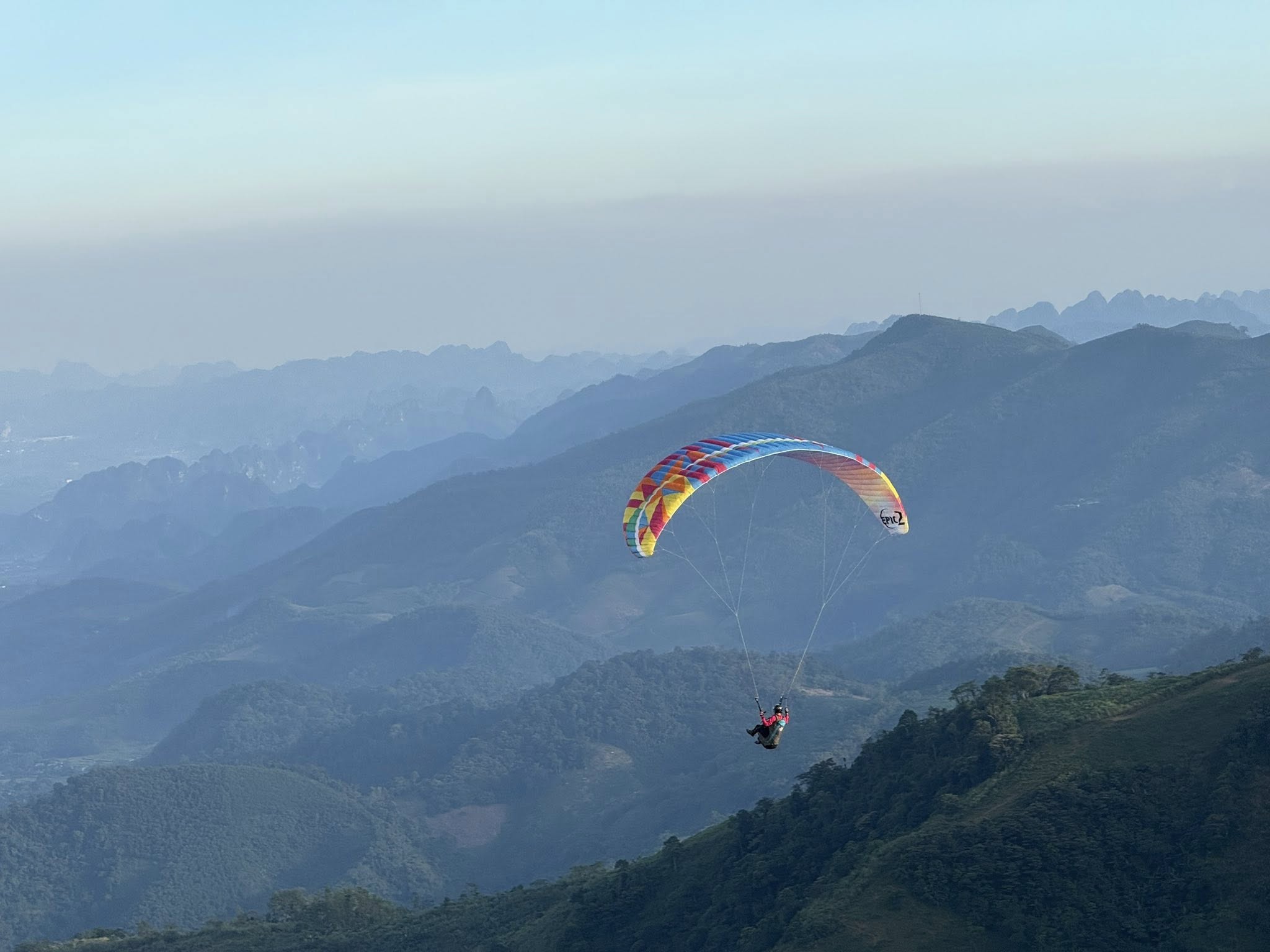
Winter is famous for dramatic cloud seas and stunning mountain scenery, but flying conditions become much more challenging. Strong cold winds combined with mountainous terrain can create severe turbulence and rapidly changing wind directions at takeoff sites. In many cases, low clouds completely cover landing zones, forcing flights to be suspended for safety reasons.
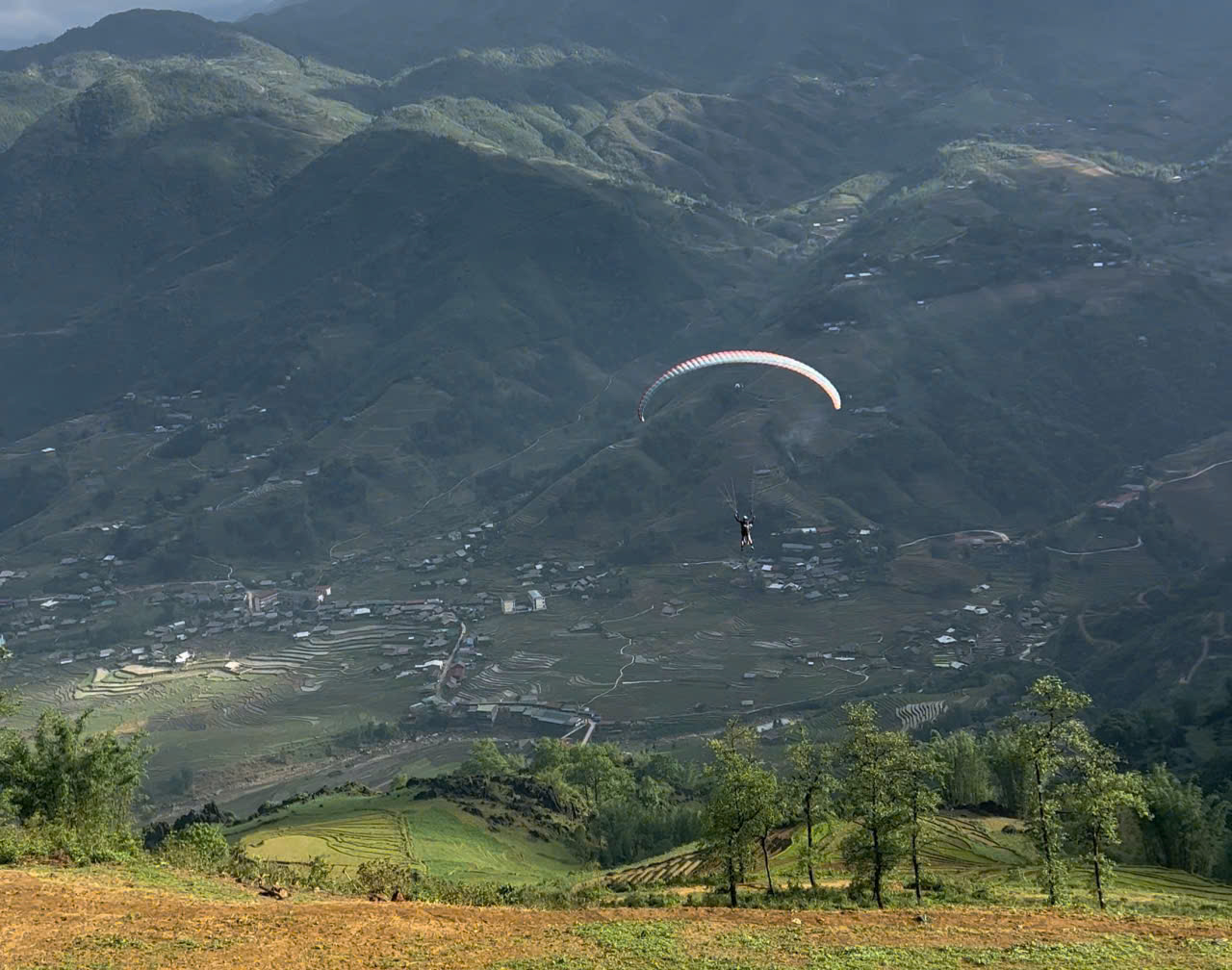
💨 How mountain wind affects paragliding
One of the most important characteristics of Sa Pa weather is the rapid change in mountain wind conditions. As wind flows across ridges and valleys, it can create strong rotor zones, sink areas, and turbulent air behind mountain slopes. These conditions may occur even when the sky appears relatively clear and are among the key factors that paragliding pilots must monitor carefully.
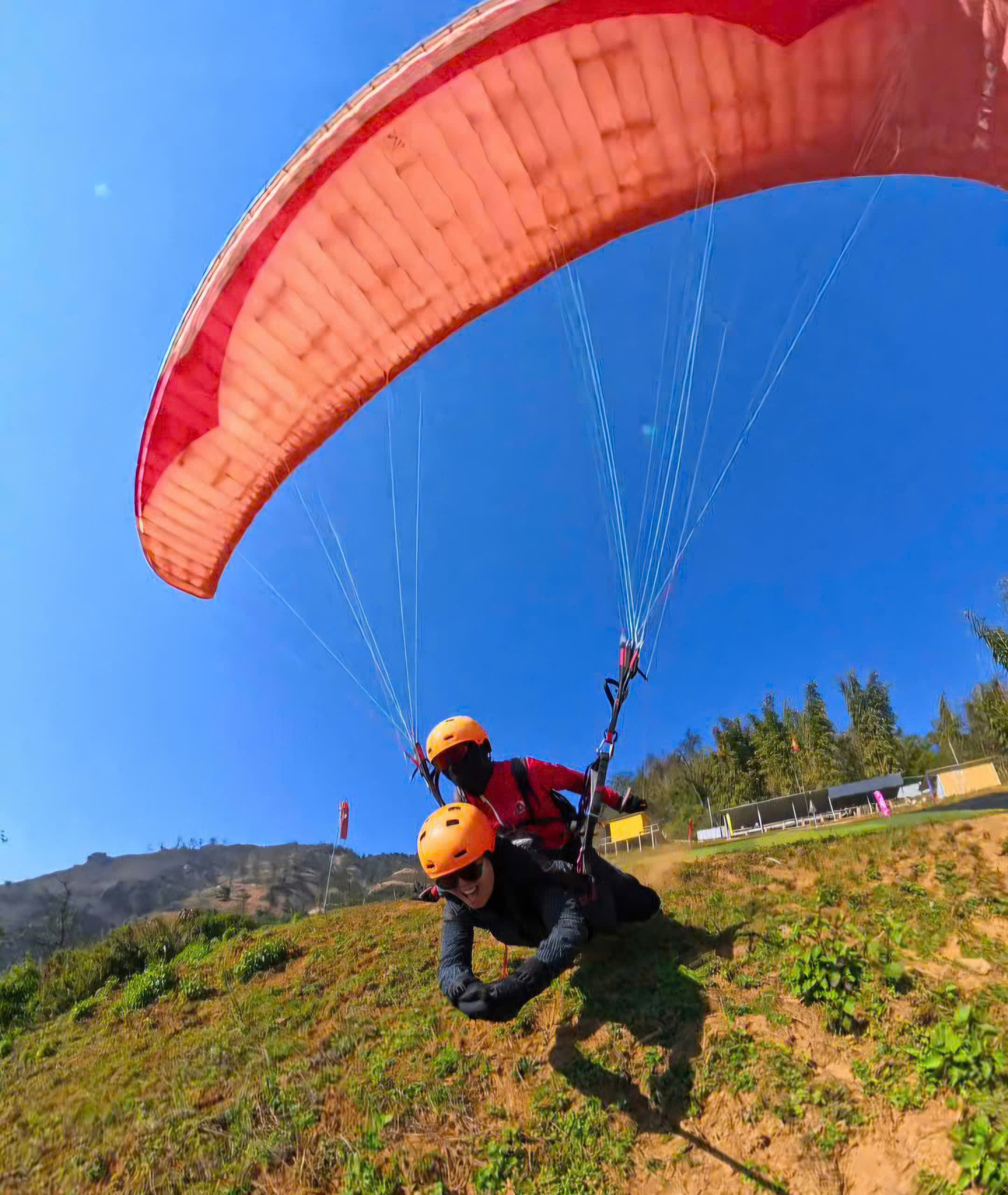
🏔️ Launch site and safety assessment
High mountain peak areas in Sa Pa often have very complex wind conditions and present significant risks for Dù lượn activities. When strong airflow moves across mountain peaks or narrow ridges, the air can compress, accelerate, and create vortices, rotor zones, and severe turbulence. These conditions can cause strong wing oscillations, instability, or sudden altitude loss during flight. For this reason, paragliding flights in Sa Pa should avoid takeoff or close flight operations near high mountain peaks during strong winds, unstable weather, or when thunderstorm clouds are developing. Pilots should choose safer launch locations on slopes with stable airflow and avoid areas prone to rotor effects and severe turbulence.
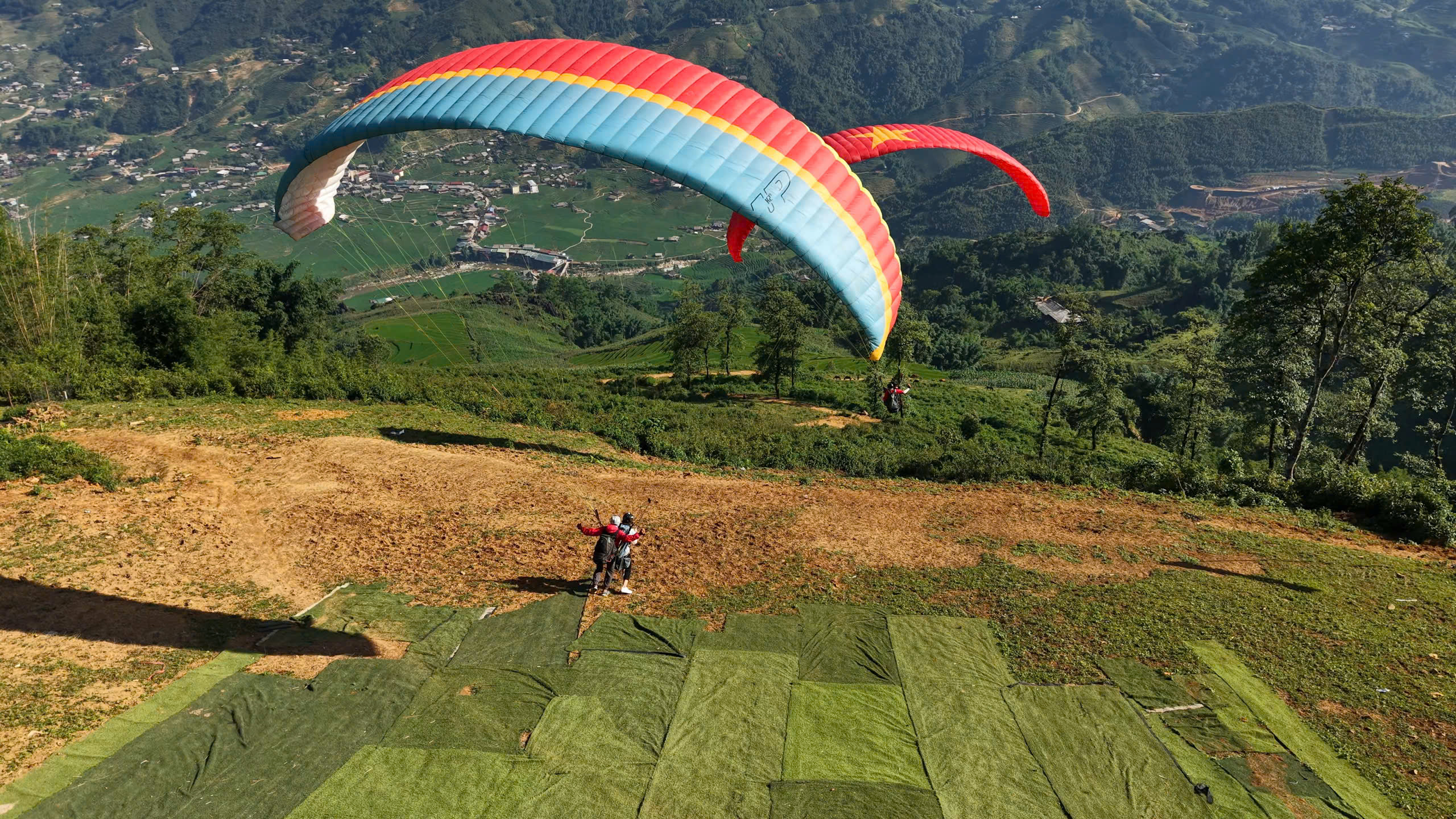
🧭 Pilot experience and real-time weather assessment
Because of these complex weather conditions, paragliding in Sa Pa requires highly experienced mountain pilots who can accurately assess real-time weather at the flying site. The decision to fly is based not only on weather forecasts but also on direct observation of wind direction, wind speed, cloud development, and overall atmospheric stability at that specific moment. With nearly 10 years of operational experience in the Sa Pa region, Sapa Paragliding has extensive practical experience in organizing flights and evaluating weather conditions in the mountains of Northwest Vietnam. Local knowledge and real-time weather assessment play an essential role in ensuring safe paragliding flights in Sa Pa.
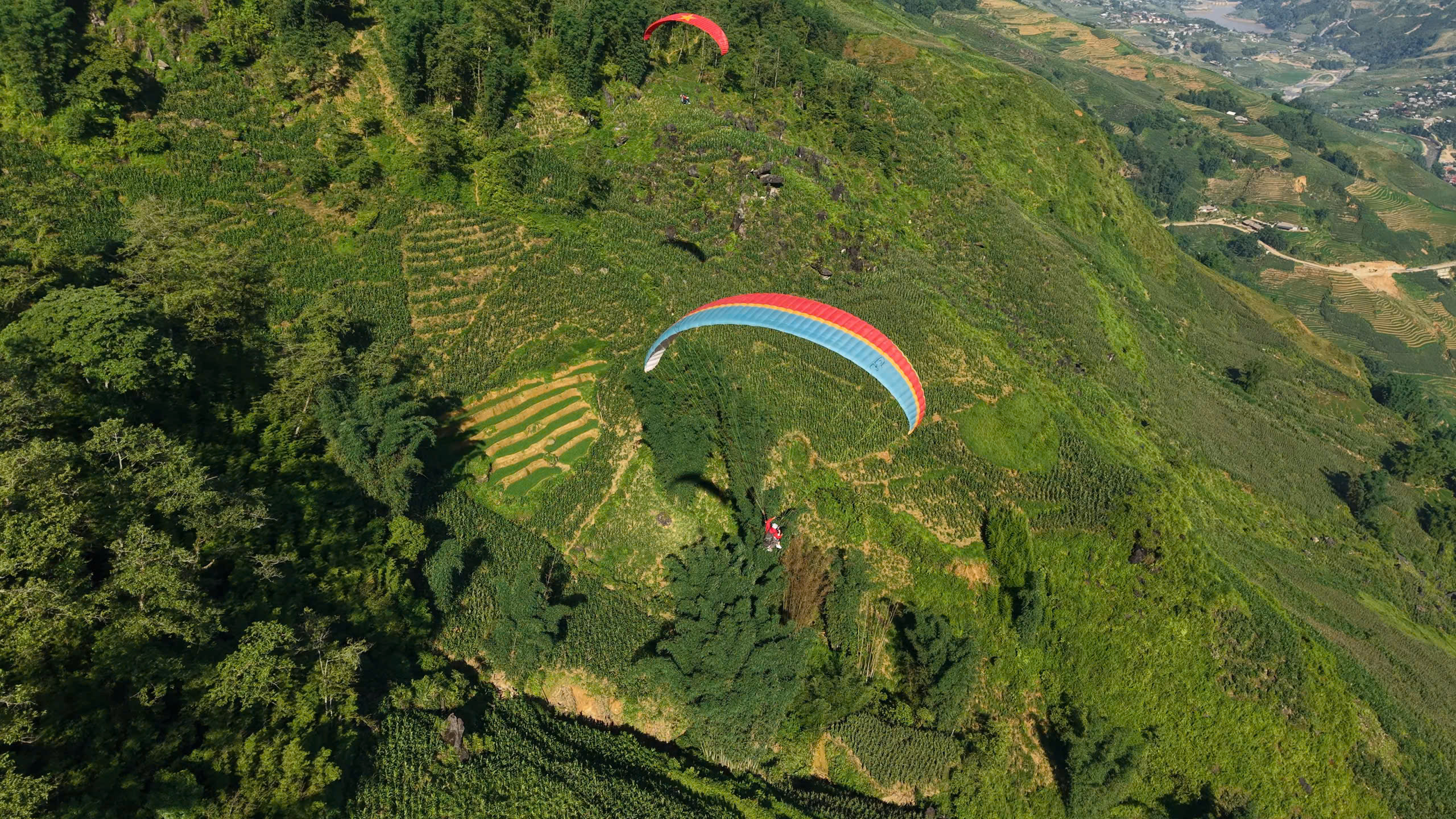
Although weather conditions in Sa Pa can be complex due to rapidly changing clouds, mountain winds, fog, and thermal activity, it remains one of the most spectacular Dù lượn destinations in Vietnam. The vast valleys, dramatic peaks of the Hoàng Liên Sơn range, and famous cloud sea landscapes create a unique flying experience rarely found elsewhere.
SAPA PARAGLIDING Fly the Sky of Northwest Vietnam. 📍 Sapa, Vietnam 🪂 Tandem Paragliding Experience #SapaParagliding #ParaglidingVietnam #Takeoff #FlyAboveTheClouds #AdventureTravel #NorthwestVietnam
📷 गैलरी