Is Paragliding in Sapa Safe? What Keeps a Tandem Flight Safe
Is paragliding in Sapa safe? An honest answer: licences, certified pilots, Sapa's weather limits, free cancellation, insurance, passenger rules and your part in take-off.

"Is paragliding in Sapa safe?" is the question almost every passenger asks us, sometimes out loud, sometimes only with a nervous look at the ridge. It deserves a straight answer rather than a slogan. This article explains what actually keeps a tandem flight safe in Sapa: who is allowed to fly, where we take off, which weather we refuse, what the pilot decides and what you do during the few seconds that matter.
🪂 The Honest Answer: Is Paragliding Dangerous?
Paragliding is an adventure activity, and no honest operator can promise you zero risk. What a professional team can do is manage the risk: fly only with licensed, experienced pilots, from a well-built take-off, in weather that is inside clear limits, and cancel without hesitation when it is not. A tandem flight is very different from learning to fly solo. You are not the one reading the air or steering the wing; a pilot who does this for a living is.
In practice, safety in Sapa rests on five things: the legal framework, the pilot, the take-off site, the weather decision and your own part in the take-off run. The rest of this guide takes them one by one.
📜 Licensed to Fly: Military Permission and a Provincial Licence
In Vietnam, airspace is controlled, and commercial paragliding needs permission. Sapa Paragliding is licensed to fly by the Operations Department – General Staff, Ministry of National Defense of Vietnam, and operates under paragliding business licence No. 02/GCN-SVHTT issued by the Department of Culture and Sports of Lao Cai province. These two documents mean the flights you book are declared, authorised and accountable to the authorities, not improvised on a hillside.
👨✈️ Internationally Certified, Experienced Pilots
The single biggest safety factor in a tandem flight is the person flying it. Our pilots are internationally certified, and the team has grown over more than 15 years, starting as the first professional pilot team in the region. Experience matters most in the parts of the flight you barely notice: choosing the moment to launch, reading the valley breeze, and setting up a calm approach to the landing field at Lao Chai. Before you fly, you meet your pilot at the take-off and can ask anything you like.
🏔 A Take-Off Built to the Highest Safety Standard in Vietnam
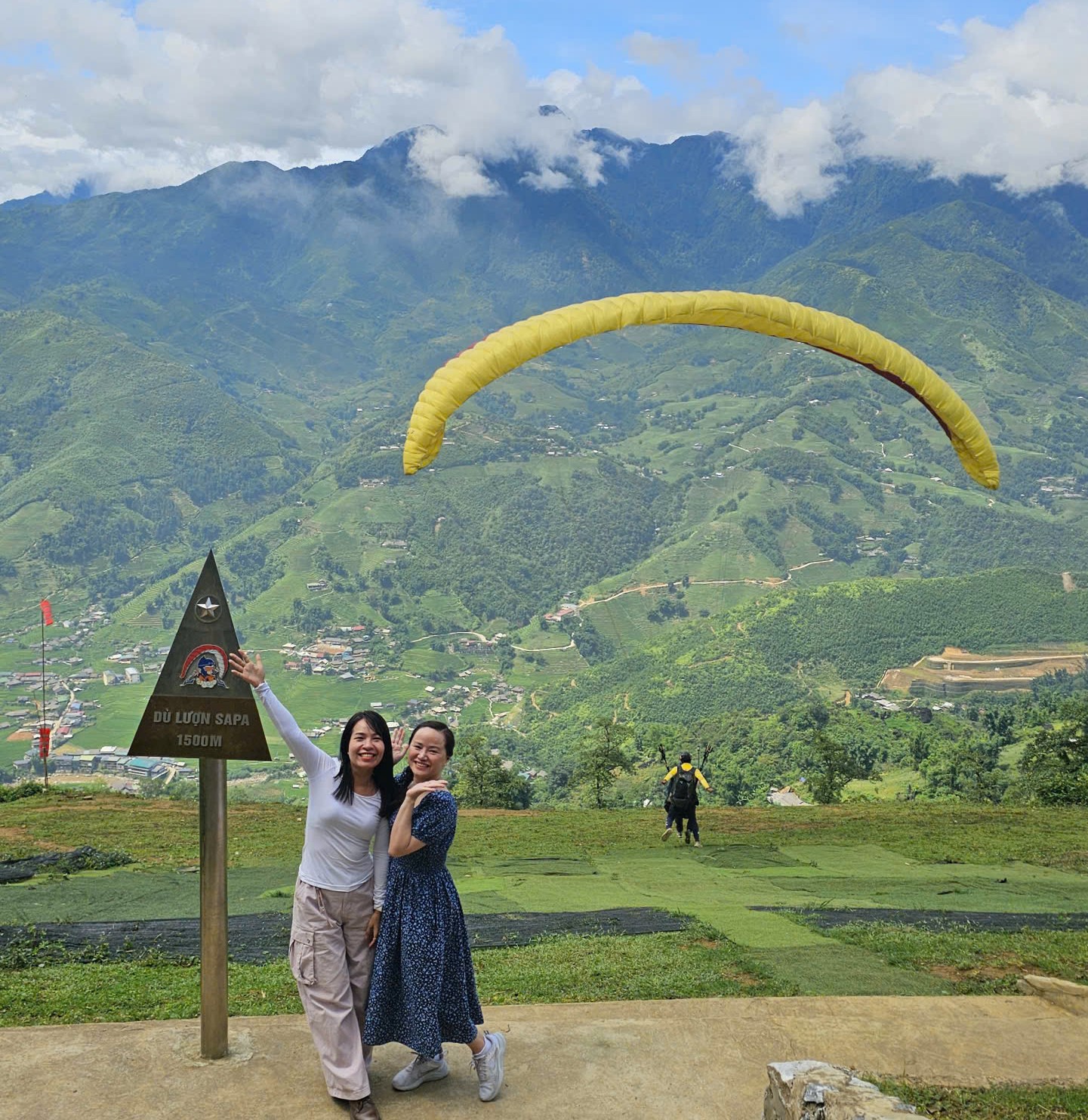
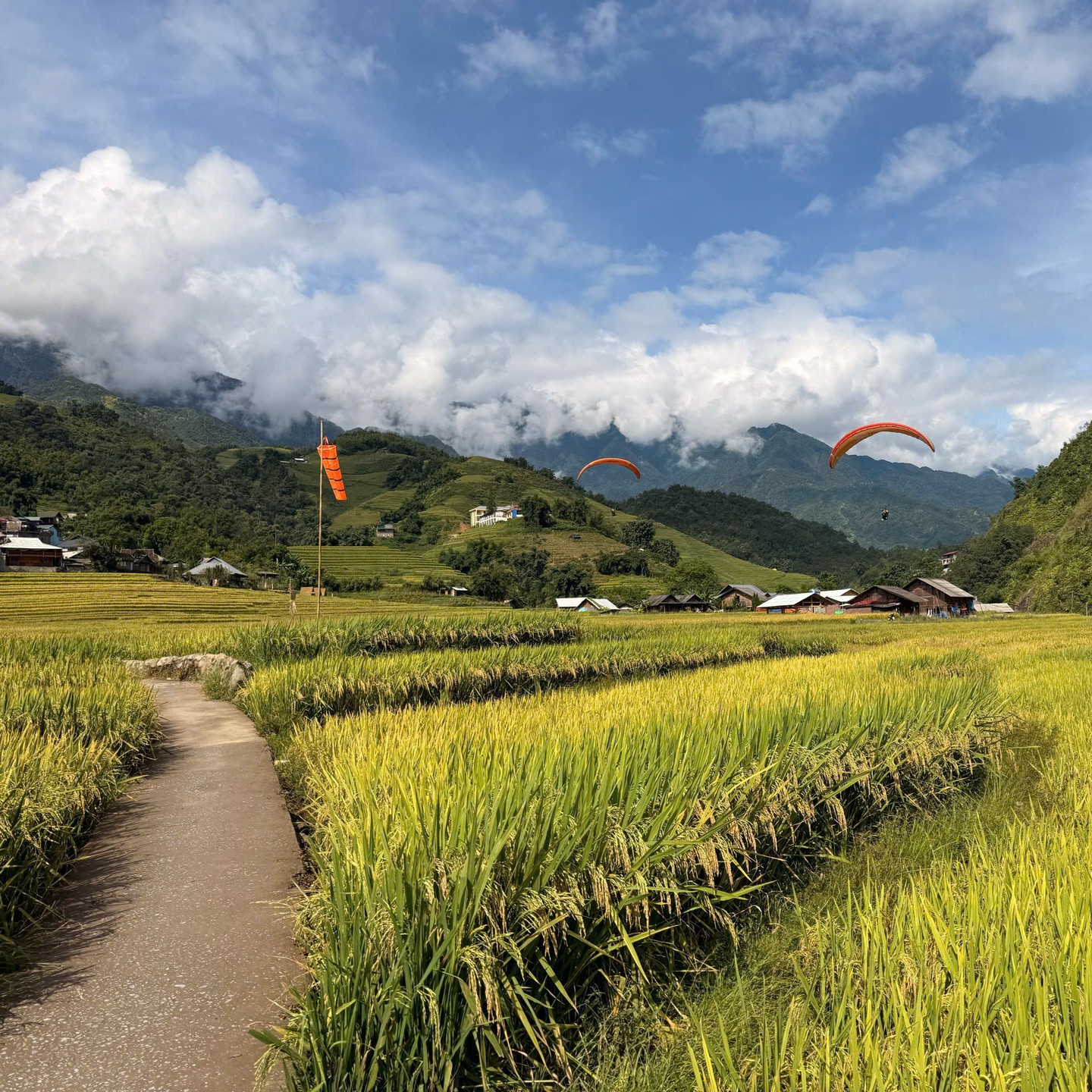
Most of what can go wrong in paragliding happens close to the ground, at take-off and landing. That is why the site itself matters. Our take-off in the Hang Da village area sits at about 1,500 m on a ridge facing Muong Hoa Valley, in an ideal wind-facing position, and it was built to the highest safety standard in Vietnam. You land about 500 m lower, at around 1,000 m in the open fields of Lao Chai cultural village, where a windsock shows the pilot the wind at the ground.
🌬 Sapa's Weather Rules: When We Do Not Fly
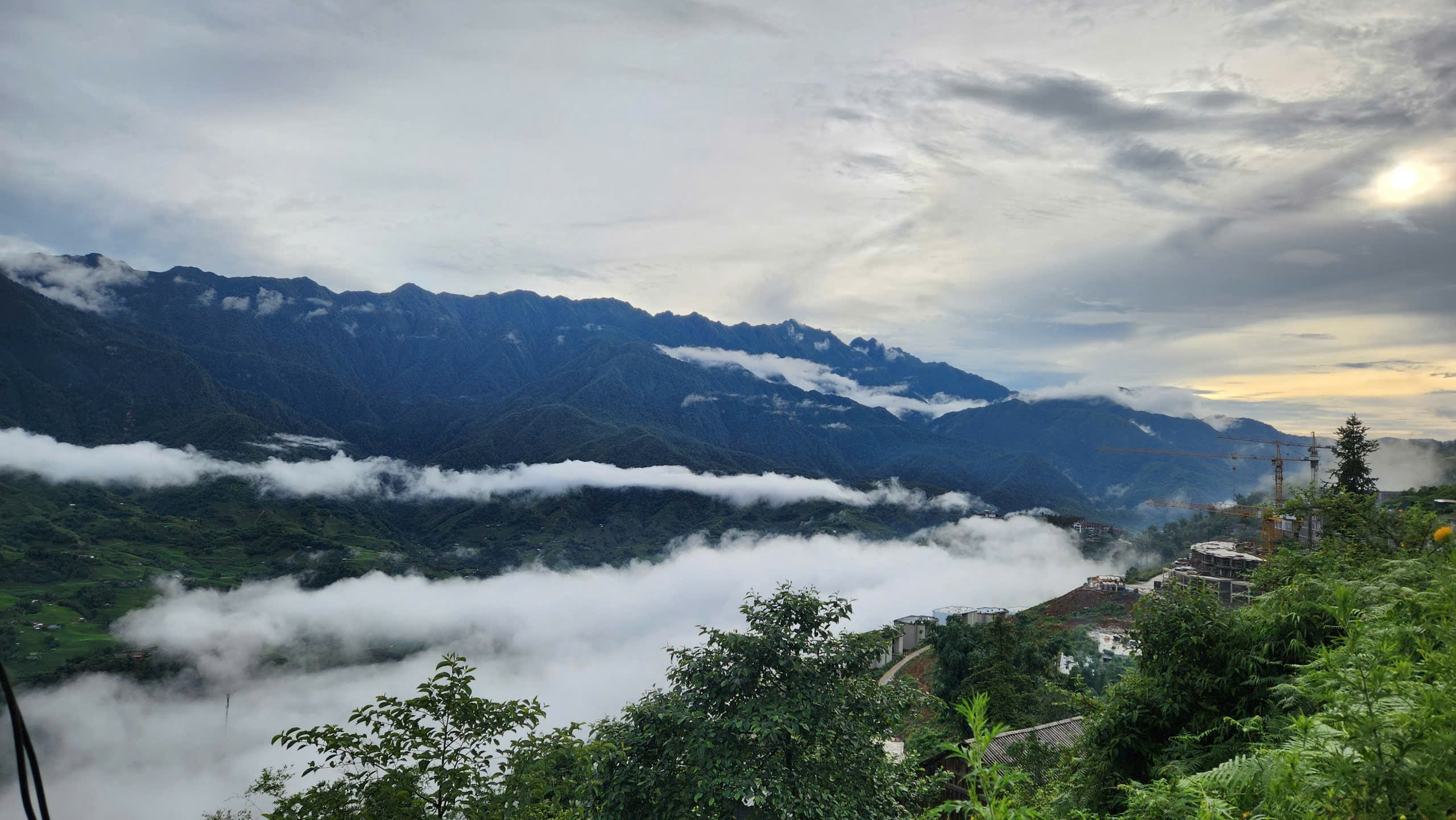
Weather is where paragliding safety is really won or lost, and Sapa has its own character. The take-off at 1,500 m sits in the cloud layer formed by moist air rising from Muong Hoa Valley. These are the limits our pilots work to:
- Wind from the north, north-east, east or west stronger than 6 m/s: no flying. Lighter wind from these directions is fine.
- Strong upper wind: if the wind about 500 m above take-off blows from the west, east or north at more than 12 m/s, we do not fly, even if it feels calm at the ridge.
- Fog or low cloud on take-off: early-morning fog often covers the site and usually burns off as the sun heats the slope, typically between 9 and 11 am. We wait for it to clear.
- Sea of clouds: when the valley is full of cloud while take-off is sunny, it is beautiful, but we do not fly. The landing field at Lao Chai must be visible before anyone launches.
Thermals in Sapa are mild, peaking around 11 am to 3 pm on clear days. Seasons matter too: the best seasons are May–June (water-pouring season), July–August (green rice season), September (golden rice season) and October–December (autumn: sunny, dry, clear skies), while December to March is the cloud-hunting season: colder, with more fog, so flying happens on chosen days. You can check the 15-day flying forecast for the exact take-off on our Weather page (paraglidingsapa.com/en/weather); from day 7 onward it shows only a trend, so the final call is always made on the day.
✅ The Pilot Decides, and Cancelling Costs You Nothing
The final go/no-go is made by the pilot on the flying day, looking at the real sky, not by the booking desk. Just as important is what happens when the answer is no: if Sapa Paragliding cancels, including for weather, you pay nothing and choose between a full refund or a free reschedule. Where a change can be foreseen, we tell you at least one day ahead. Because there is also no deposit, there is no money at stake that could push anyone, you or us, to fly in doubtful conditions. That is a safety feature, not just a customer-service policy.
🛡 Insurance and Equipment Are Included
Every package includes paragliding insurance and all the equipment: the tandem wing, harness and helmet. You do not rent or bring any flying gear yourself, and there is no insurance upgrade to buy. Before take-off your pilot fits and checks your harness and connections; this is part of the normal procedure, so let them take their time.
🧍 Who Can Fly: Weight, Age and Fitness
- Weight: up to 110 kg. If you are above 95 kg, tell us in advance so the right pilot and equipment are arranged.
- Age: from 3 years old. Under-18s fly with a parent or legal guardian present who signs the consent.
- Fitness: basic fitness and the ability to run a few steps. The flight is not suitable for people with serious mobility problems.
If you have a health condition, are recovering from an injury or surgery, or are pregnant, please do not guess. Consult your doctor before booking and tell our team honestly; our requirements guide lists the situations in which flying is not suitable. Being open about your health protects you, and it also keeps your insurance valid.
🏃 The Briefing and Your Part in a Safe Take-Off
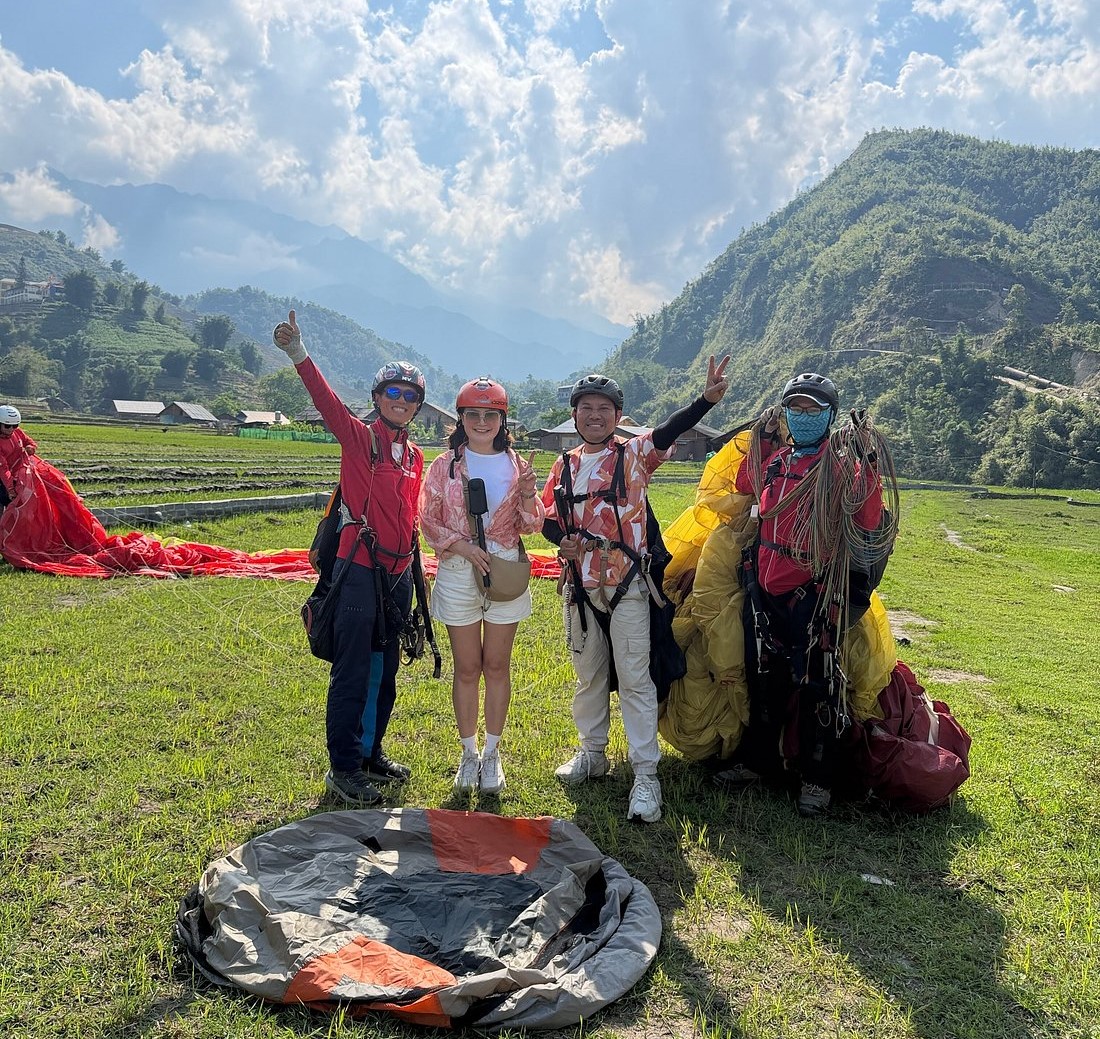
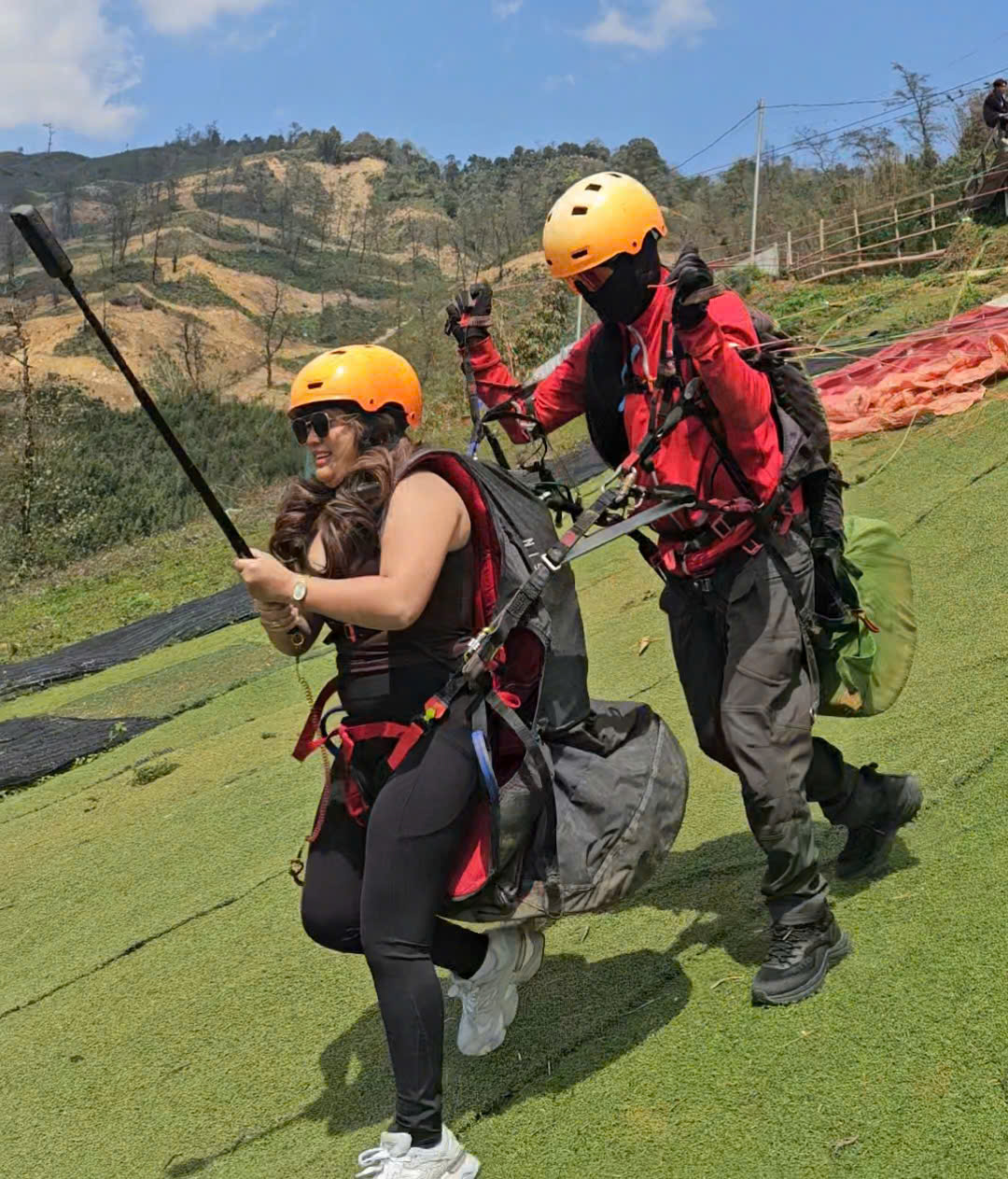
At the take-off you meet your pilot, ask your questions, leave your bag, put on the gear and practise the take-off run on flat ground. In a tandem flight, the passenger has one real job, and it is an important one:
- Run firmly and continuously when the pilot says go, even when you feel the wing starting to lift you.
- Do not sit down early. Keep running until the pilot tells you to stop; sitting too soon is the most common passenger mistake at take-off.
- Listen to the pilot's instructions in the air and before landing. The landing is gentle, standing or sitting, as the pilot tells you.
👟 What to Wear for a Safe Flight
- Comfortable sportswear with long sleeves and long trousers; no skirts.
- Sneakers or hiking boots, never high heels. We can lend shoes free of charge if needed.
- Sunglasses are recommended against UV and the roughly 40 km/h airflow in flight; prescription glasses are fine.
- An extra layer: the take-off is 2–3 °C colder than Sapa town.
- Only a small personal bag of 1–2 kg (phone, keys, documents); phone storage is available.
🔎 How to Check Any Paragliding Operator
Whether you fly with us or anyone else, a few questions tell you a lot about how seriously an operator takes safety:
- Licence: can they show a flight permission and a business licence for paragliding?
- Insurance: is paragliding insurance included, and does it cover the passenger?
- Pilots: are the pilots certified, and can you meet yours before the flight?
- Reviews: what do recent passengers say about the briefing and how the team handled the weather?
- Cancellation policy: is it clear, and do you get a full refund or free reschedule when the operator cancels for weather? An operator that keeps your money when it cannot fly has a reason to fly anyway.
❓ Frequently Asked Questions About Paragliding Safety in Sapa
❊ Is paragliding in Sapa safe? No adventure activity is risk-free, but in Sapa the risk is managed through licensed operation, internationally certified pilots, a well-built take-off, strict weather limits and a pilot who decides on the day with no financial pressure to fly. ❊ I am afraid of heights. Can I still fly? Yes. Many passengers who fear heights are surprised by how calm it feels once their feet leave the ground, because the sensation of standing at an edge disappears. Tell your pilot before take-off. ❊ Can children fly? Yes, from 3 years old, with a parent or legal guardian present who signs the consent for anyone under 18. ❊ Is there a weight limit? Up to 110 kg. Above 95 kg, let us know in advance so we can arrange the right pilot and equipment. ❊ What if the wind changes while I am waiting? The pilot keeps watching the conditions until the moment you launch. If they go outside the limits, you wait, move to another slot or day, or take a full refund. You are never charged when we cancel. ❊ I am pregnant or have a medical condition. Can I fly? Please consult your doctor first and tell our team before booking. Our requirements guide explains which situations are not suitable for flying.
📚 Want to Understand the Flying Side?
Safety in paragliding is not a promise printed on a brochure; it is a set of decisions made every day, many of them the decision not to fly. If you choose a licensed operator, tell the team the truth about your weight and health, dress properly and keep running until your pilot says stop, you have done everything a passenger can do. The rest is 8–15 minutes above Muong Hoa Valley.