Sapa Paragliding · Safety
Student Pilot Handbook: Essential Groundwork & Flight Basics
Welcome to your journey of conquering the skies. This handbook provides the foundational knowledge and essential rules for paragliding student pilots in Vietnam.

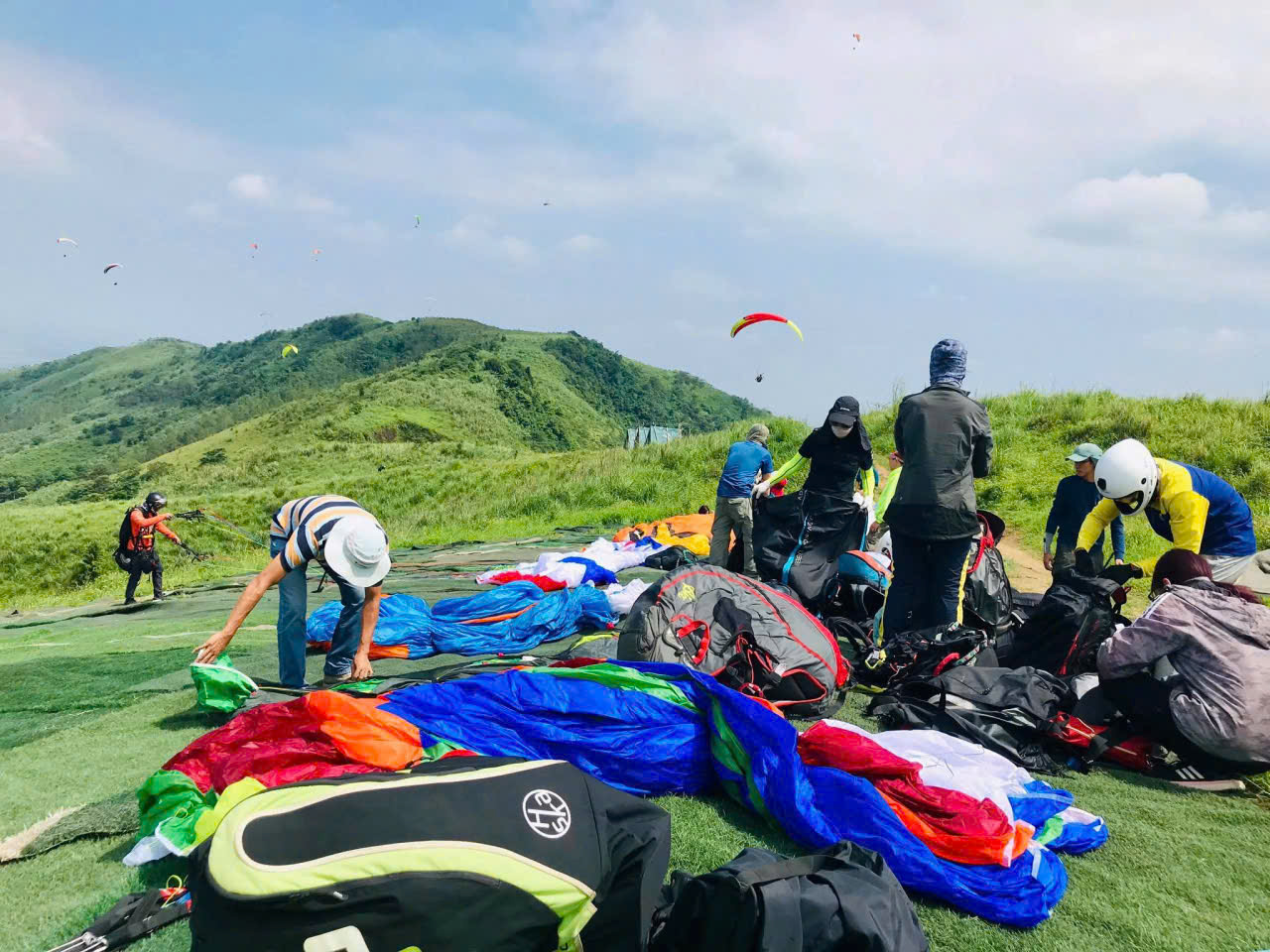
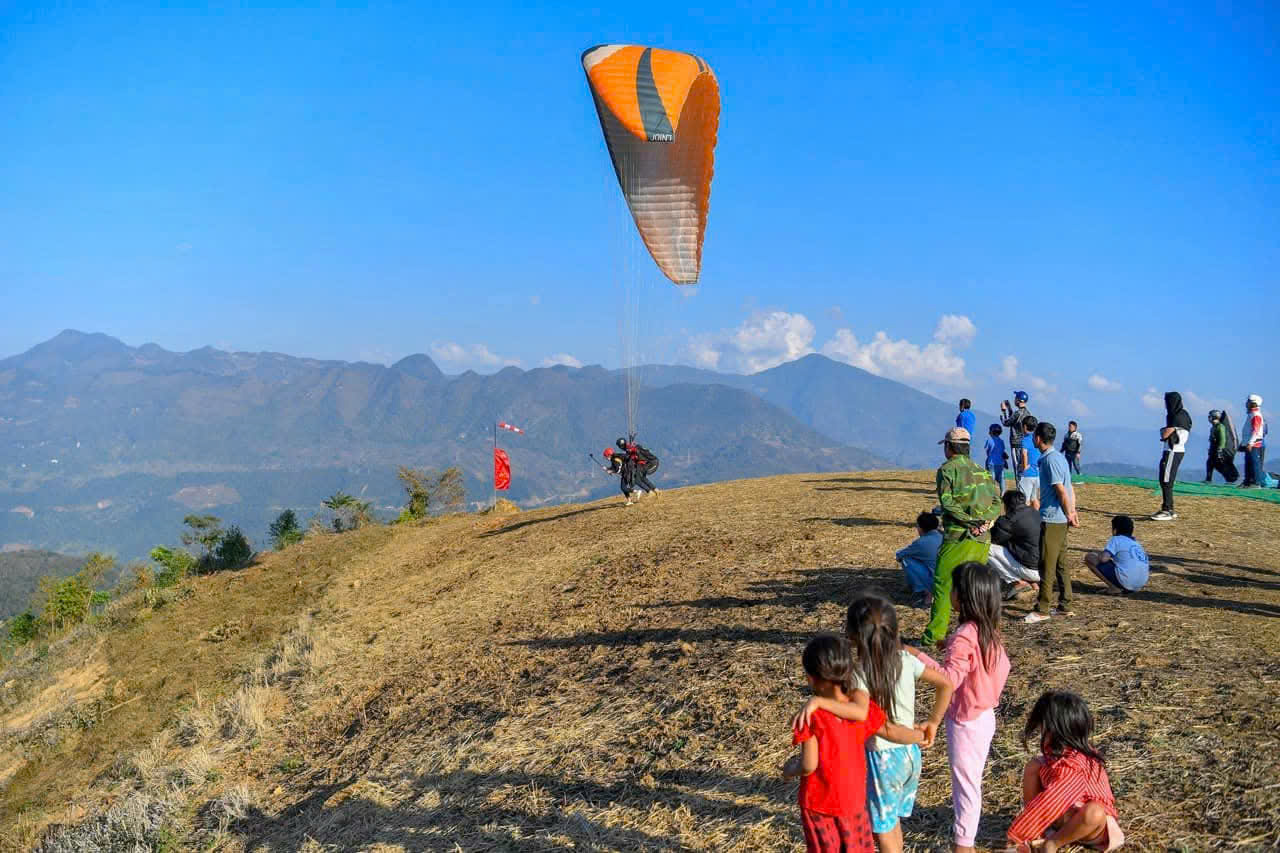
Training methods may vary among clubs in Vietnam. At Sapa Paragliding, we focus on a solid foundation: mastering ground handling first, followed by low-altitude take-offs and landings before progressing to high-mountain flights.
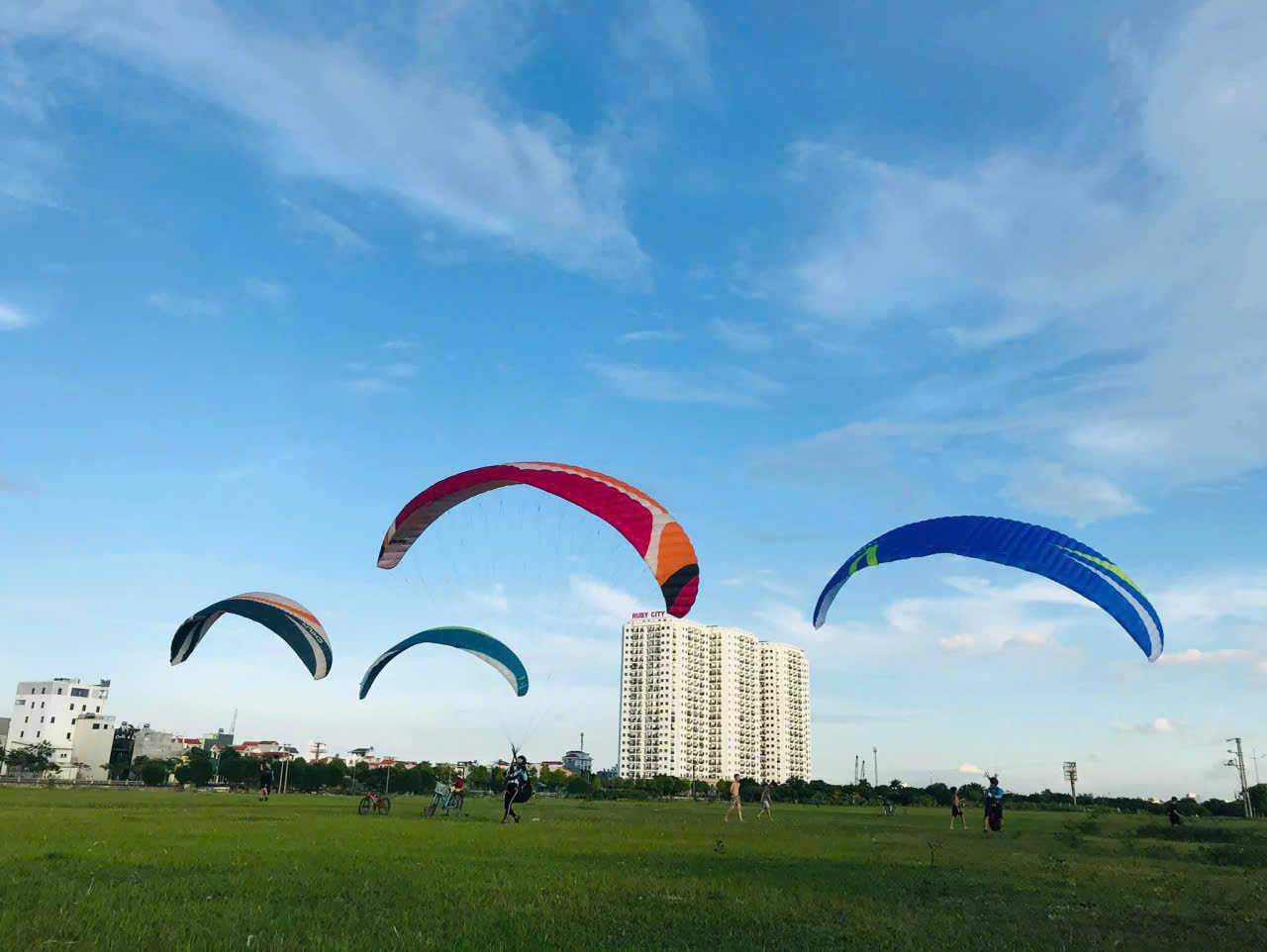
🎓 Our training method
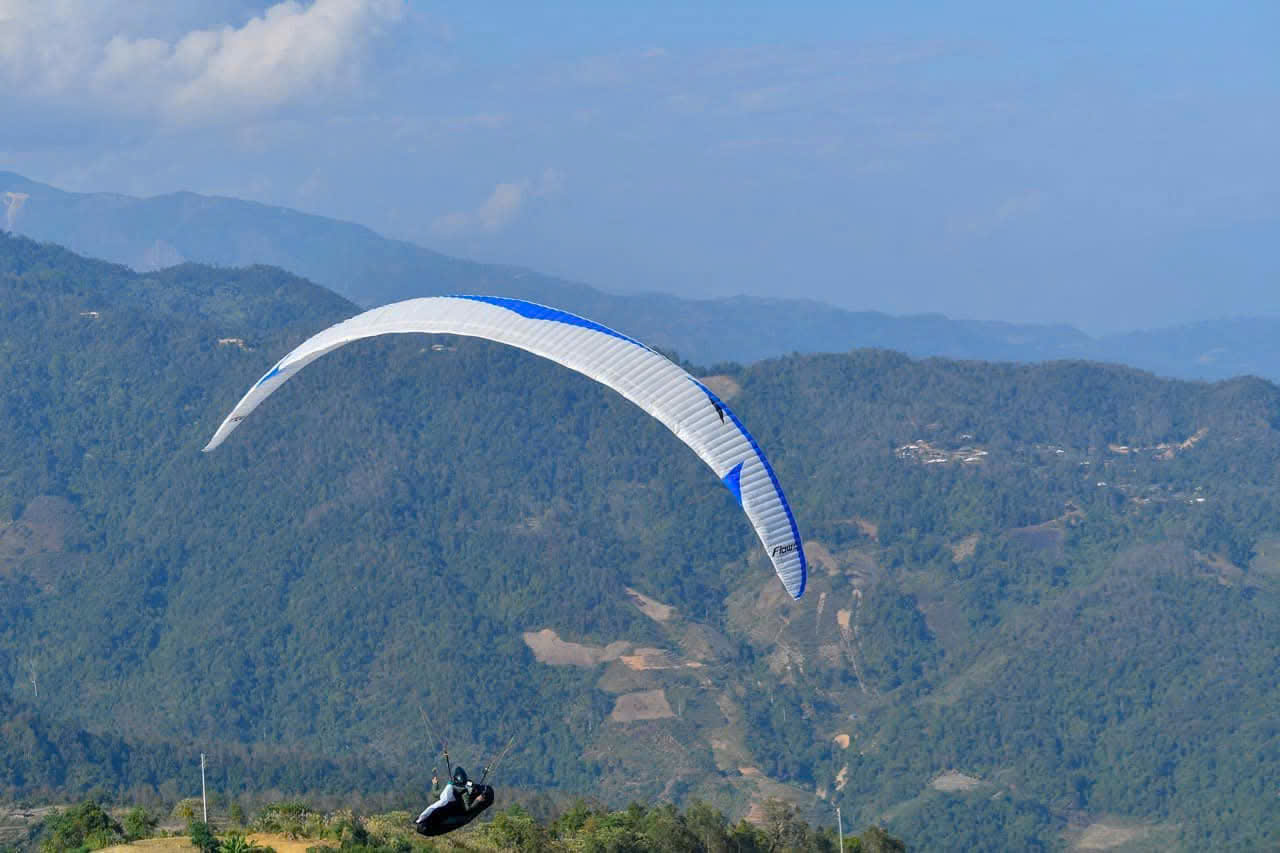
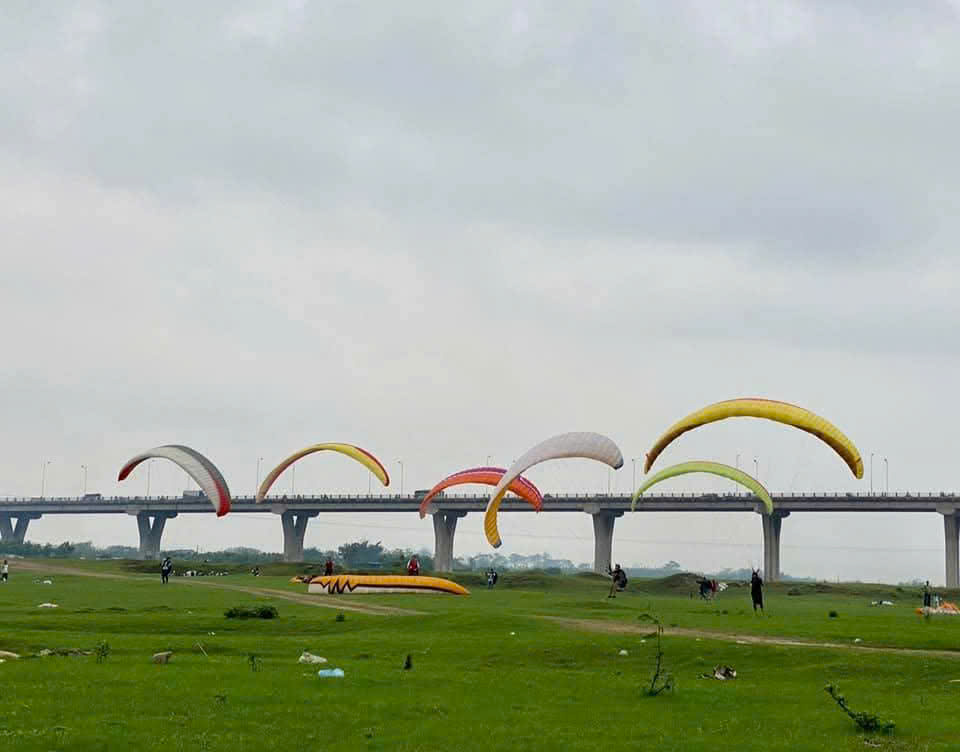
✔ Phase 1: Ground Handling – Mastering glider control on the ground, the most challenging yet essential skill. ✔ Phase 2: First Flights – You will perform low-altitude straight flights to build confidence in take-offs and landings. ✔ Phase 3: High Altitude Training – Under radio supervision, you will learn in-flight maneuvers, speed sensing, glide ratios, and landing patterns. ✔ Theory & Certification: Along with flight practice, you will study basic free-flying theory and pass a written exam to earn your Primary Pilot certificate.
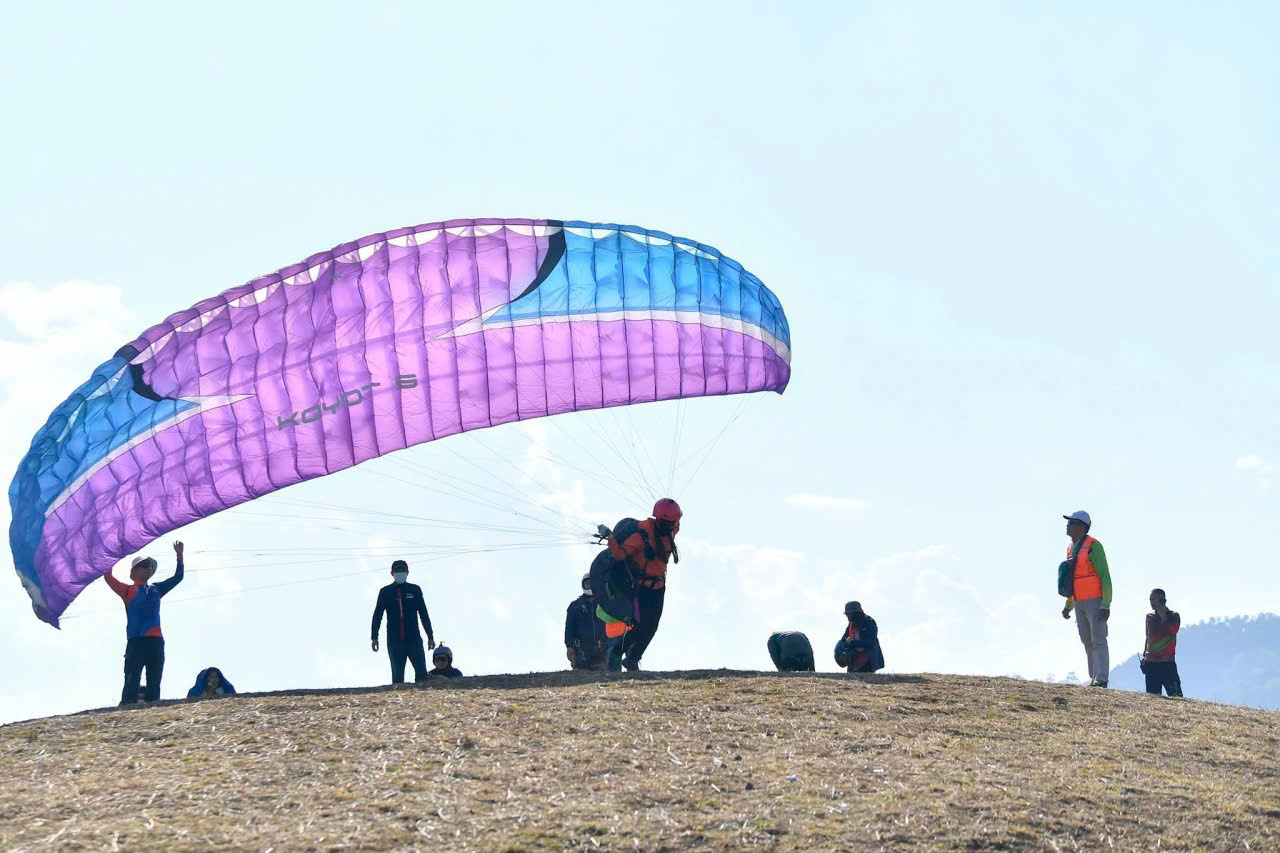
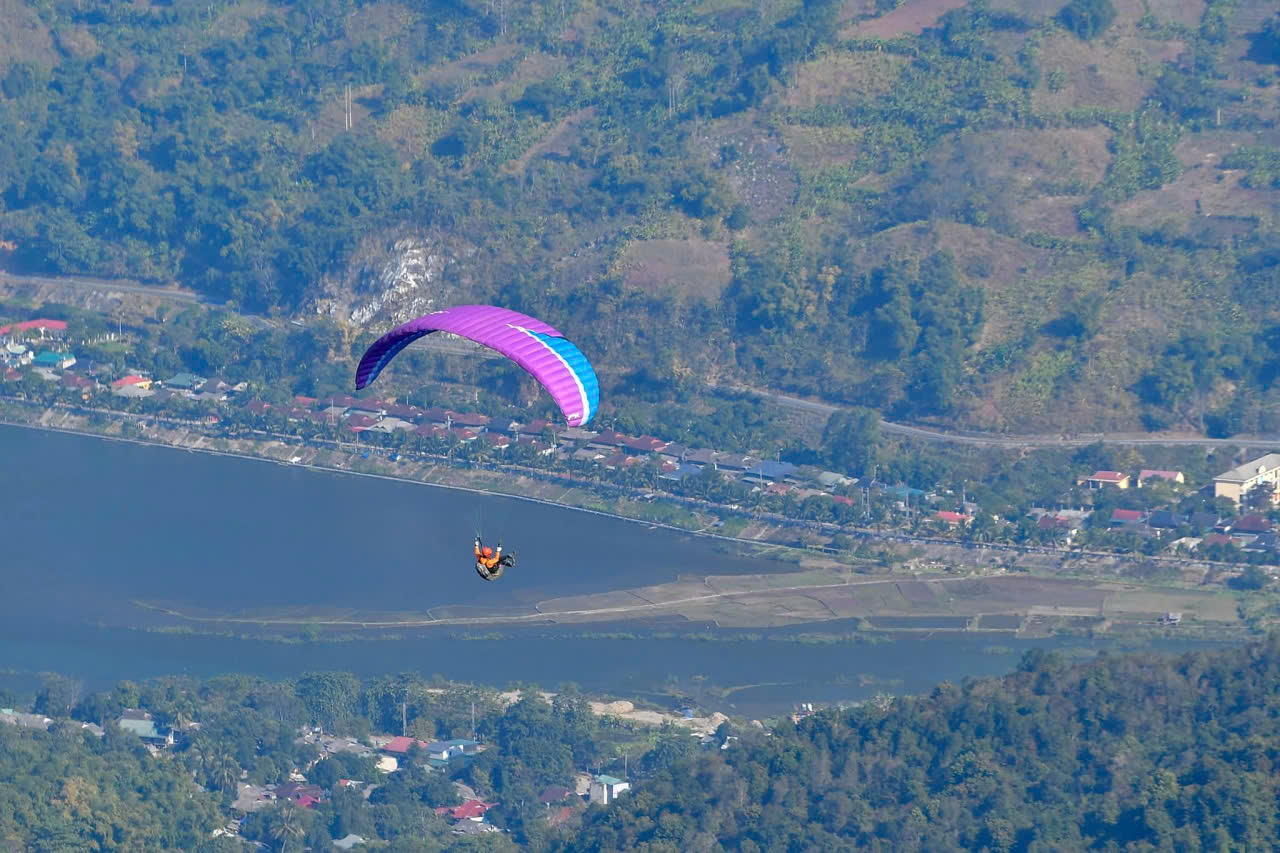
🏅 Paragliding pilot rating levels
✔ Primary (IPPI 1-2): Completion of basic training; demonstrates the required skills to progress to advanced instruction stages. ✔ Novice (IPPI 3): Capable of independent free flight without direct supervision, though still requiring periodic advice and guidance to refine skills. ✔ Intermediate (IPPI 4): A fully qualified pilot with the technical skills and experience to fly safely and independently. This level is a prerequisite for Cross-Country (XC) flying. ✔ Advanced (IPPI 5): Complete mastery of the wing, proficient in SIV (Safety-In-Flight) maneuvers, and achieving high performance in free flight.
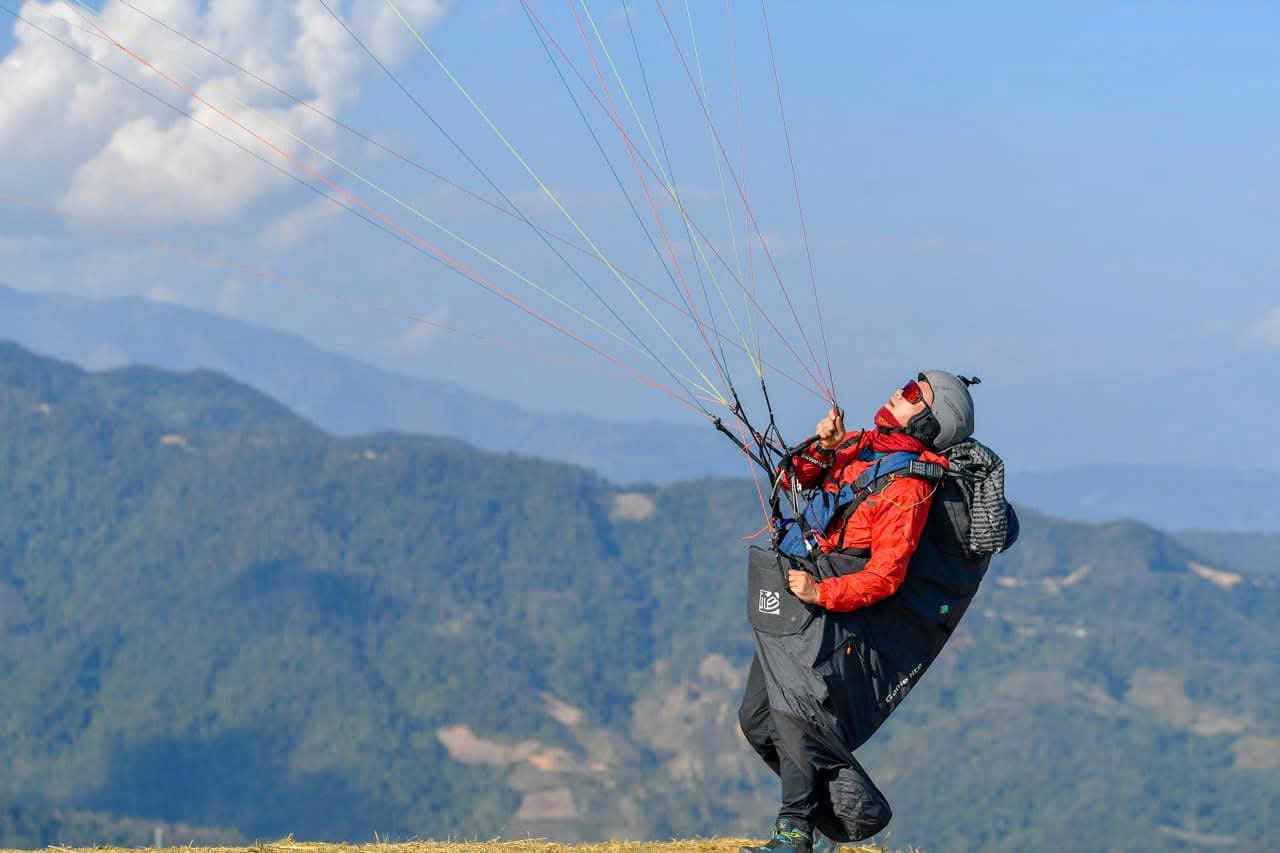
🏕️ Learning environment and support
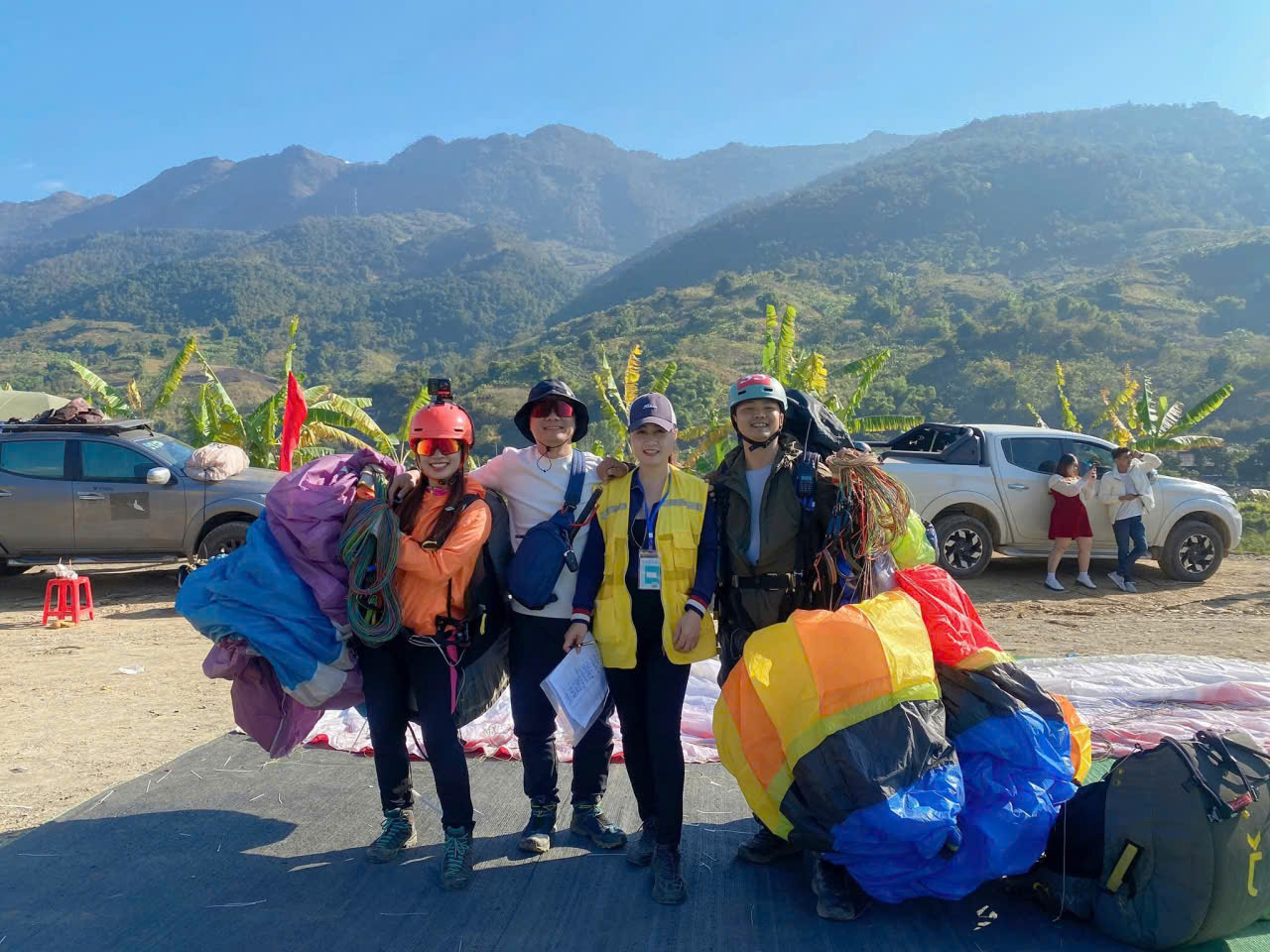
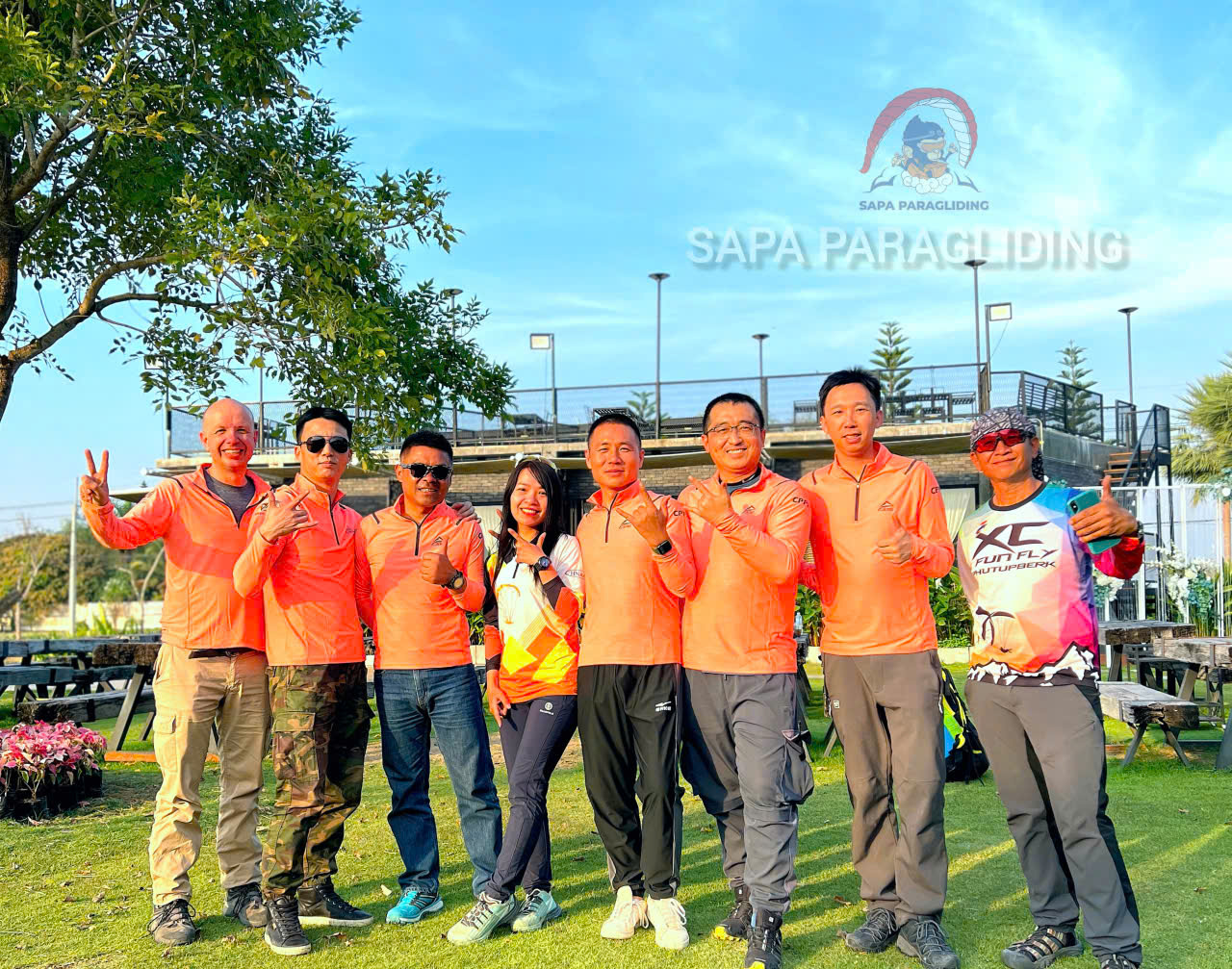
Sapa Paragliding is more than just a training center; it is a family. We provide comprehensive manuals, instructional videos, and the mentorship of experienced instructors alongside a dedicated team of volunteer pilots. Here, you will always find companions to share your passion and progress with. To further expand your network and learning opportunities, you can also join various clubs and aviation associations across Vietnam. Currently, Hanoi Air Sports Association (HNAA) is the official organization operating in the capital, providing a structured environment for pilots to connect, practice, and grow together.
🚩 The "red ribbon" rule
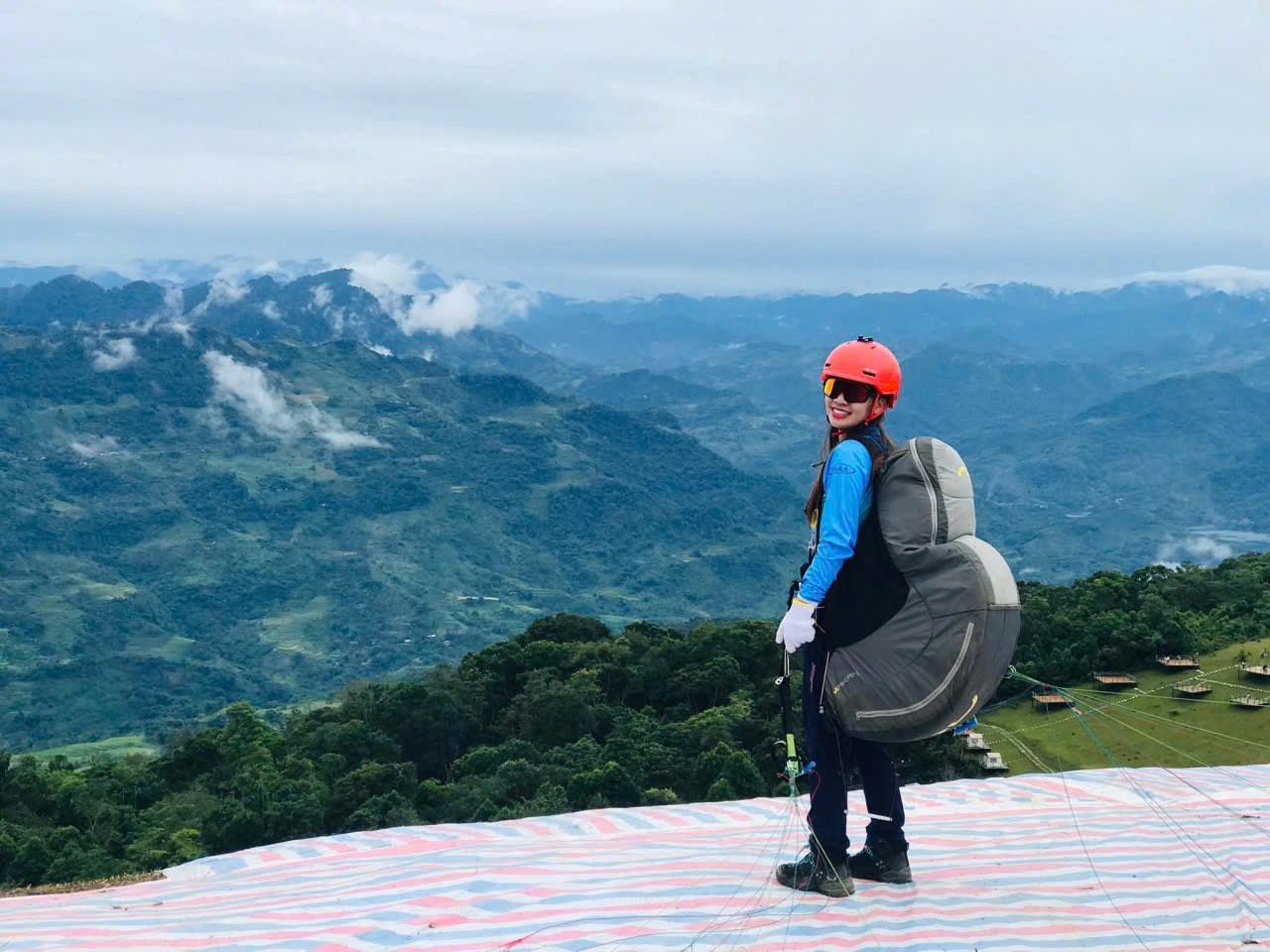
Crucial Tip for New Pilots: During your first 10 flight hours, attach a red or orange ribbon to your harness. ✔ Purpose: To signal to others that you are a student/new pilot. ✔ Benefit: Experienced pilots will give you extra space, keep a watchful eye, and offer helpful advice to ensure your safety.

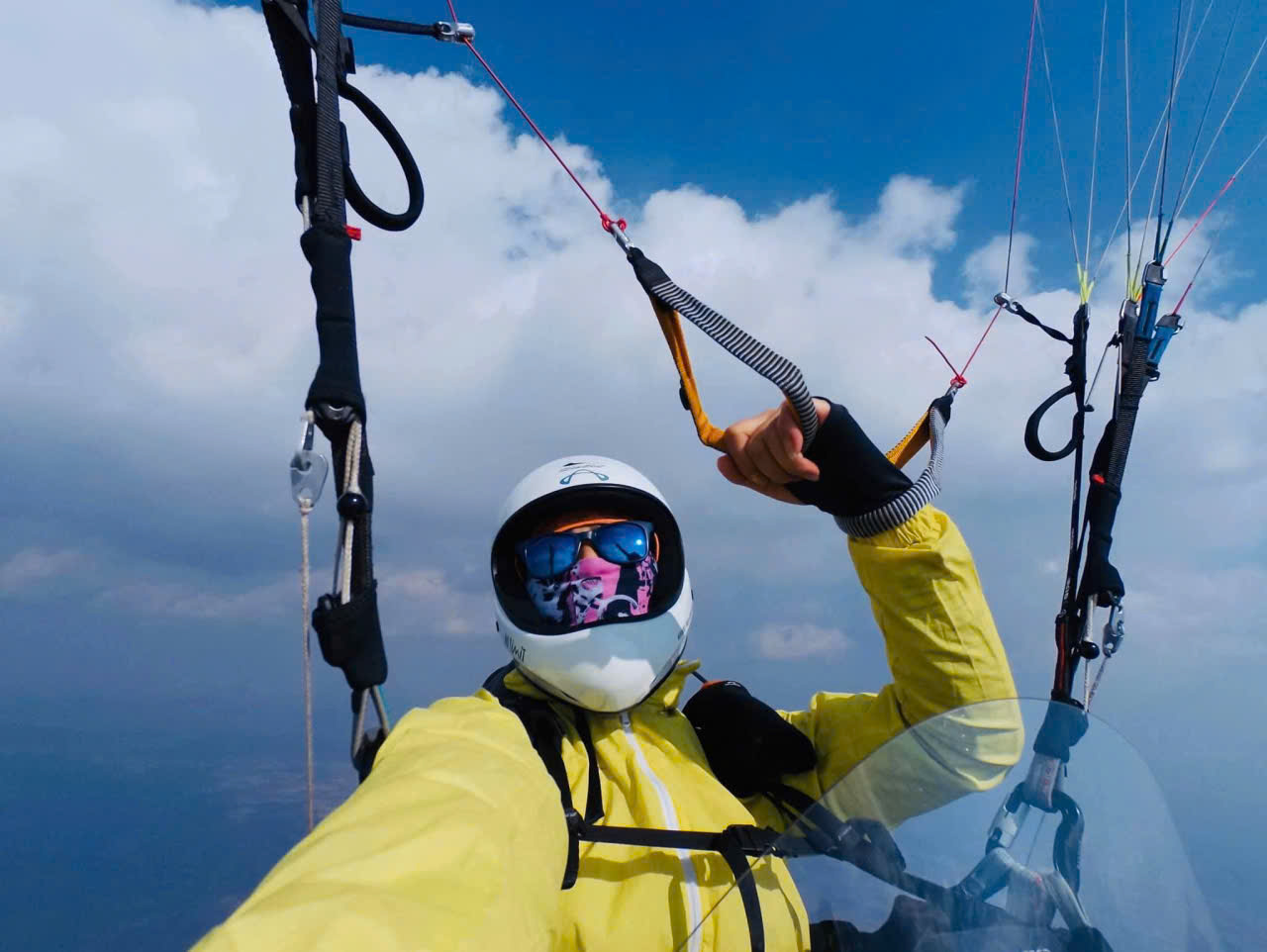
A journey to the skies doesn't start in the clouds, but with firm steps on the ground and discipline in every training hour. Fly safe, fly with passion
— Chief Instructor Dang Van My | Sapa Paragliding