Sapa Paragliding · Safety
Paragliding Student Pilot Handbook: Pre-flight Check
Pre-flight inspection is mandatory for your safety. A minor oversight on the ground can lead to fatal consequences in the air, where emergencies are much harder to manage. Ensure 100% readiness before launch!

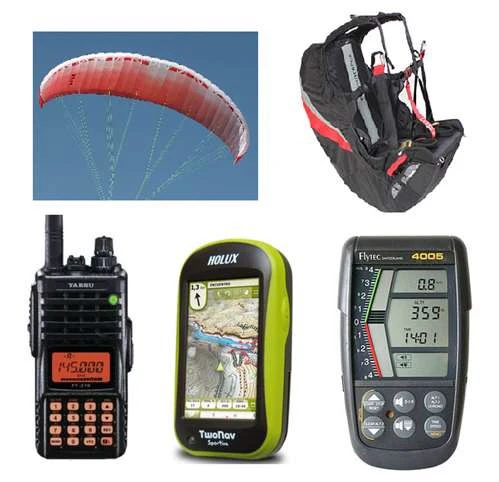
During your paragliding training, you will become familiar with various specialized equipment. The two most critical components are the Main Canopy (Wing) and the Harness . As with all forms of aviation, a pre-flight inspection is paramount. It ensures that your gear is in peak condition, correctly connected, and fully airworthy. There are three levels of inspection to perform:
1️⃣ Level 1: The daily check
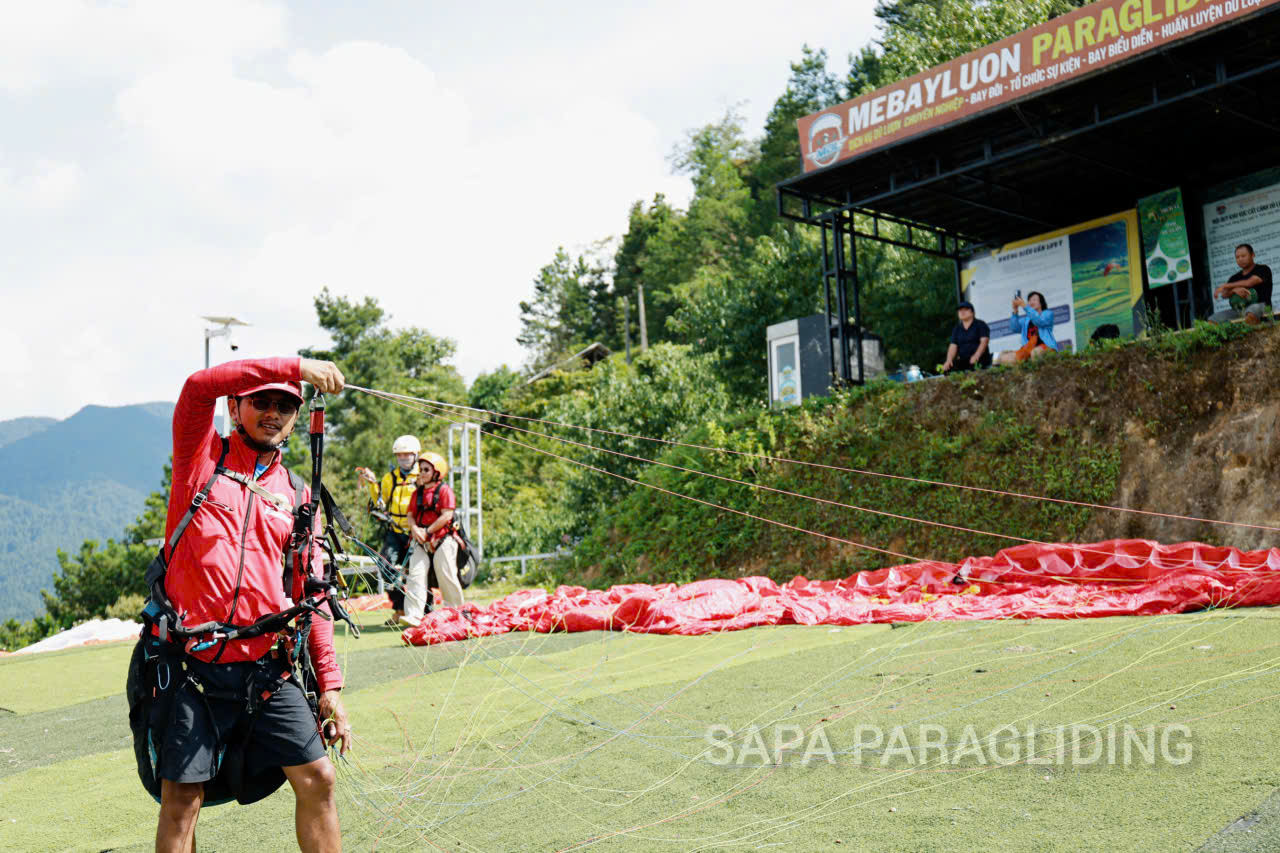
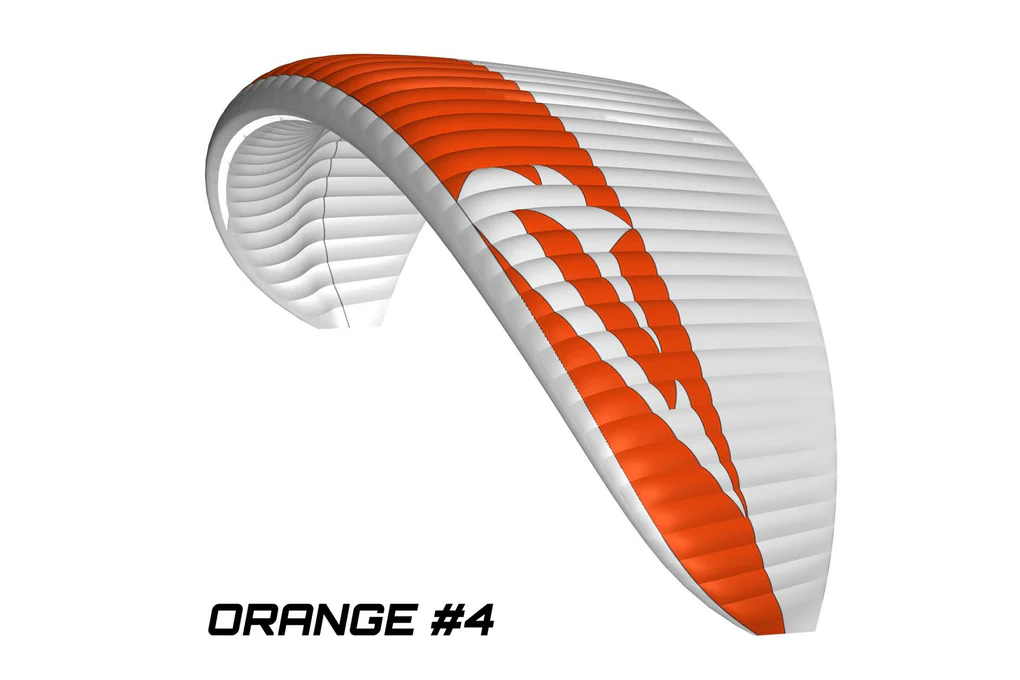
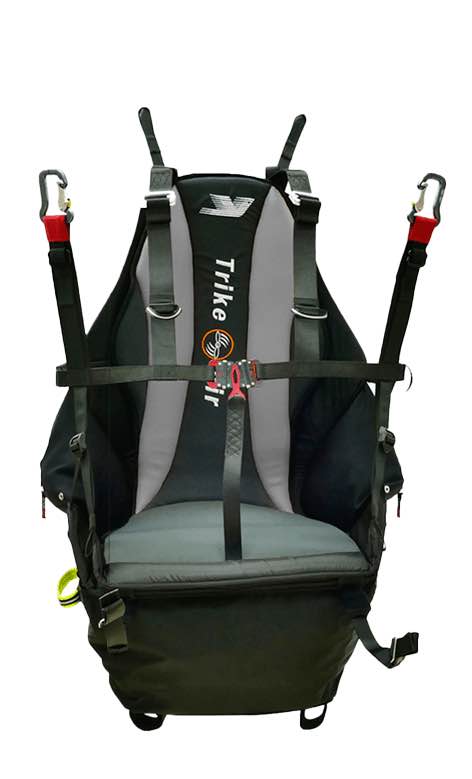
This inspection should be conducted before each flying day and after every hard landing. Paragliding pilots are advised to start their inspection from the main canopy and work their way down to the lower equipment, or vice versa: 1. Canopy ✔ Visual Check: Inspect both the top and bottom surfaces for any tears, abrasions, frayed stitching, or dirt. ✔ Internal Check: Look inside each cell to identify any damage to the internal structure. 2. Lines & Risers ✔ Line Inspection: Visually check and run your hands along the lines (including brake lines) to feel for fraying, core damage, or any unusual bulging or thinning. ⚠️ Connection Points: Pay close attention to the points where the lines connect to the carabiners and the canopy. ✔ Risers: Check the risers for fraying or wear, especially at metal contact points. Ensure the brake pulleys operate smoothly. 3. Harness & Reserve ✔ Harness Integrity: Check all stitching, webbing, and metal buckles (ensure no rust) and plastic buckles (ensure no cracks). ✔ Reserve Parachute: Critical: Ensure the reserve parachute is securely installed, the deployment handle is in an accessible position, and all elastic loops are correctly in place.
2️⃣ Level 2: The pre-flight check
This is the essential life-saving protocol that every pilot must perform immediately before launch. Follow these steps carefully to ensure absolute safety:
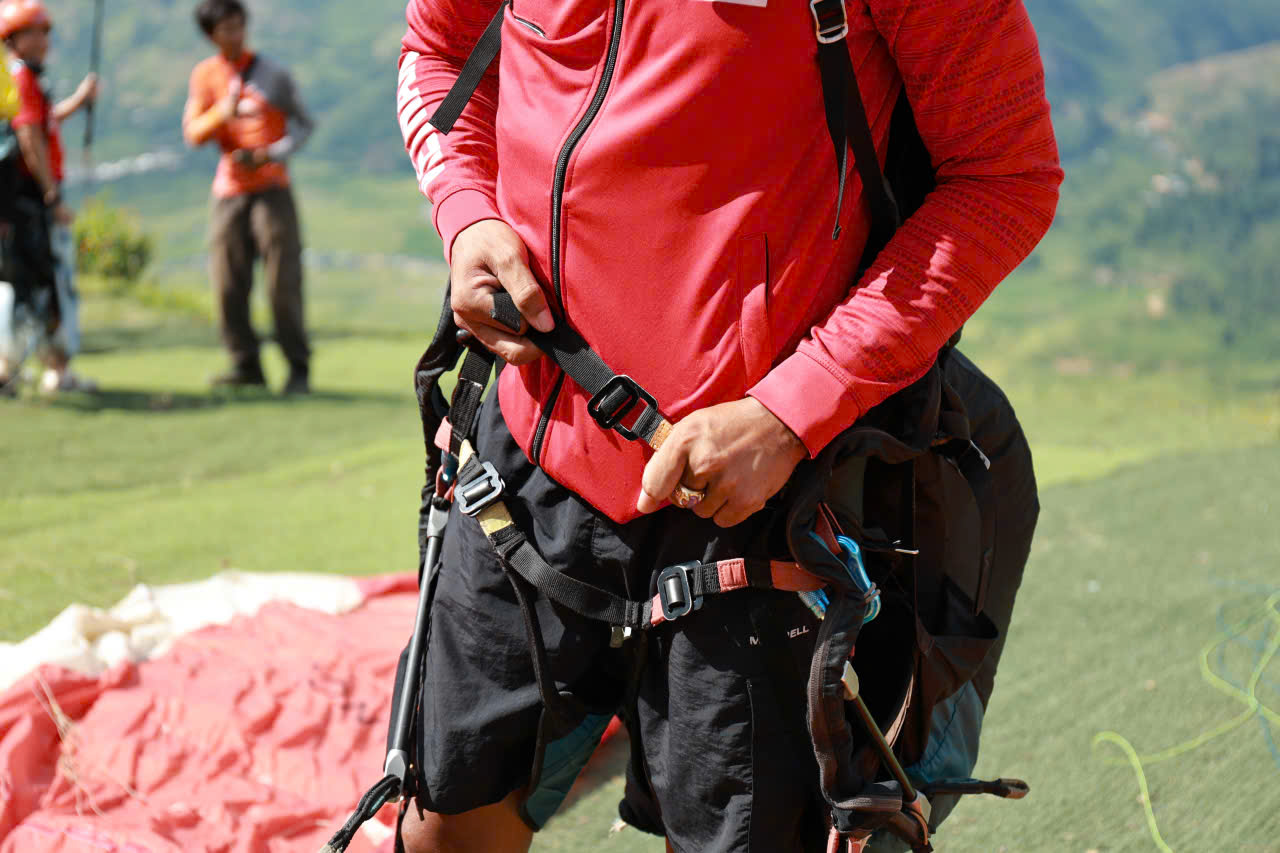
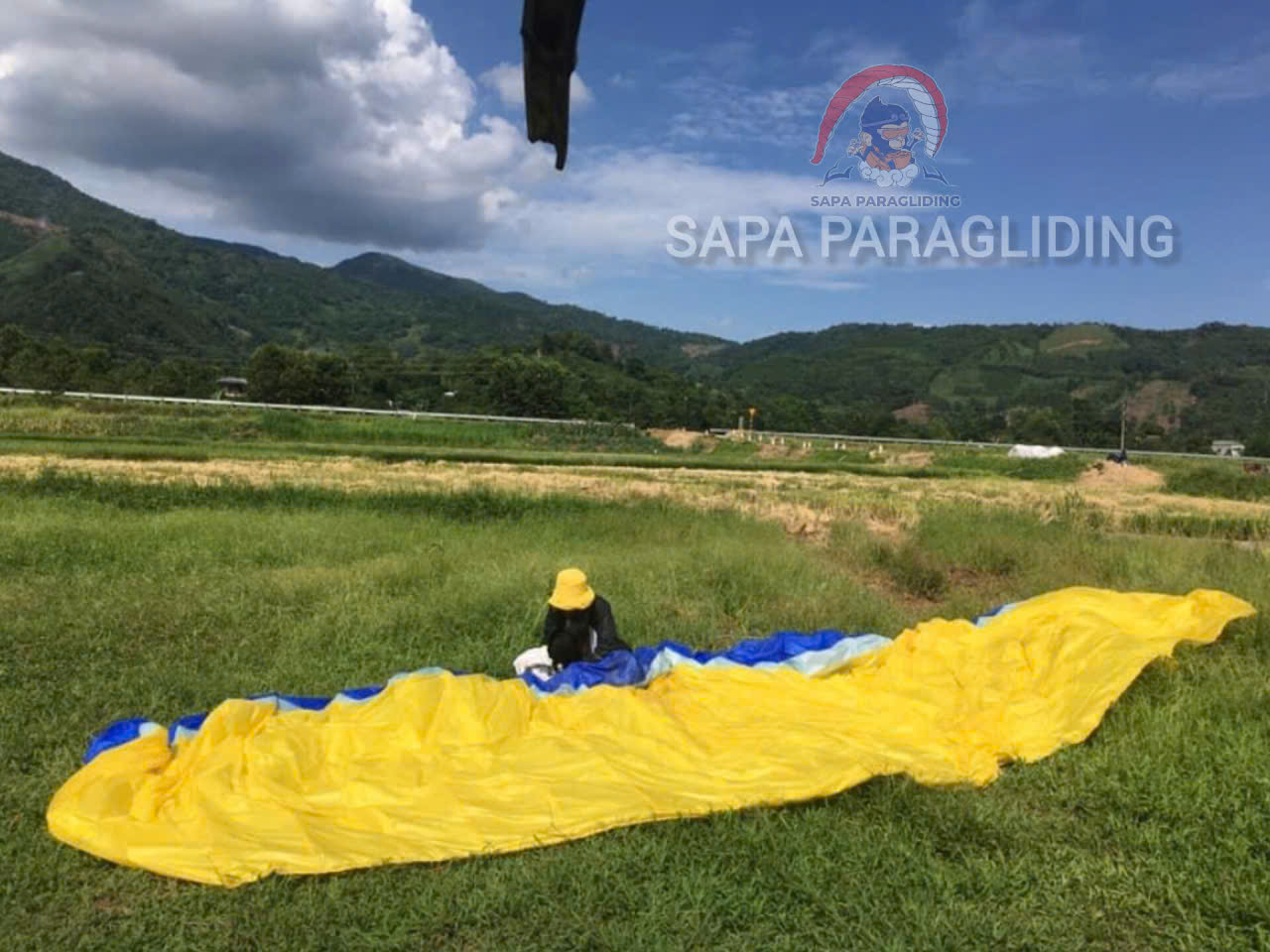
Wind & Weather: First, carefully observe the wind direction and intensity. Check if the wind is shifting or gusting too strongly and whether it matches your current piloting level. Simultaneously, check visibility and look for signs of adverse weather such as storm clouds, rain, or turbulence. Canopy & Wing: Next, perform a quick canopy check to ensure the wing is laid out correctly. The lines must be completely clear, with no tangles, twists, or knots since your earlier daily inspection. Helmet: Immediately after, verify that your helmet is on, fits snugly, and is secure enough not to fall off during movement. Most importantly, ensure the chin strap is buckled and locked. Harness: This step involves checking six fundamental points: securely fasten the left leg strap, right leg strap, and the chest strap adjusted to the correct size. Additionally, double-check that both Carabiners are locked tight and the speed-bar lines on both sides are properly connected. Controls & Risers: Move on to the controls; verify that you are holding the correct brake handles and that the risers are oriented properly. Ensure the brake lines are completely free and not tangled with any part of the harness or risers. Airspace & Launch Path: Before starting your launch run, confirm that the takeoff path is completely clear of bushes, obstacles, people, or animals. Observe the airspace in front, above, and below the launch site to avoid collisions with other wings, and ensure no one is attempting a top-landing in the space you need for takeoff. Turn Direction: Finally, if you are performing a Reverse Launch, double-check which riser must be on top so you can rotate smoothly in the correct direction after the wing is inflated.
‼️ Note: This procedure must be performed continuously. If the check is interrupted for any reason, the paragliding pilot should calmly restart from the beginning to ensure no safety factor is overlooked before leaving the ground.
3️⃣ Level 3: Periodic inspection
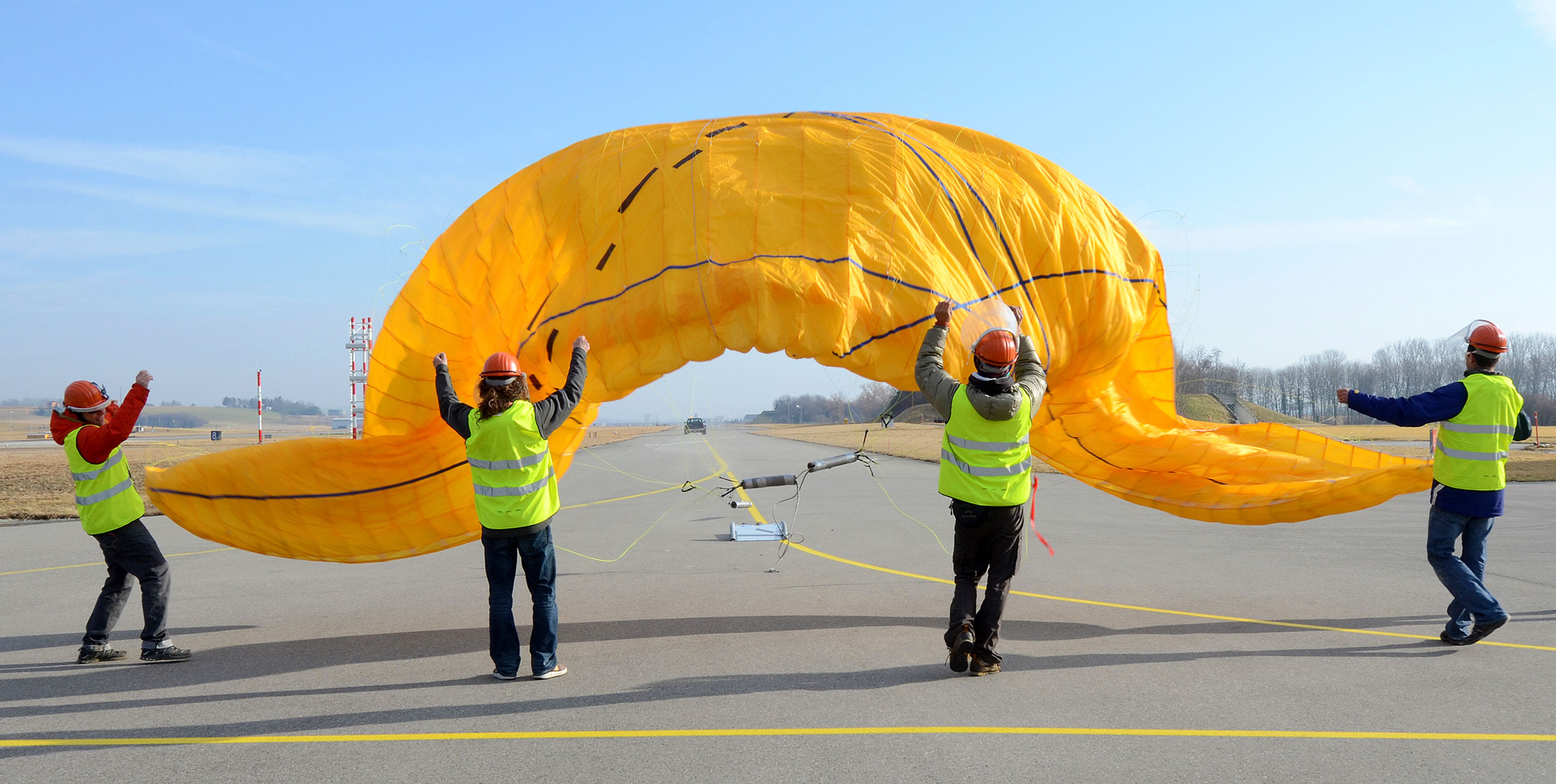
This inspection should be performed annually or after a specific number of flight hours (as recommended by the paragliding manufacturer). ✔ Nature: This process is even more critical than an annual car inspection. ✔ Execution: It must be carried out at authorized service centers or by certified master riggers/experts. ✔ Scope: Includes testing the fabric's air permeability (porosity), line strength, re-measuring the entire line system (trimming), and inspecting all metal components - Maintenance: Necessary replacements or repairs will be made to ensure the equipment remains Airworthy (fit for flight).
This procedure may seem complex at first, but practice it with discipline. Over time, it will become an 'automatic reflex,' protecting you on every flight
— Advice from Chief Instructor Dang Van My